
Meth and crack are both extremely addictive substances. On first glance, you can’t tell which is which, as struggling individuals in both cases look extremely drained, weak, and lifeless.
However, for treatment to occur, one must put their hands on the problem, so today, we’ll have a look at both types of addictions to learn how to differentiate between them, and of course, treat them.
What Is Meth?
Methamphetamine is a synthetic stimulant manufactured in illegal labs using chemicals like pseudoephedrine. It’s a Schedule II controlled substance, which means it has limited medical use. To be more specific, doctors can prescribe it in pill form for severe ADHD or obesity, but this is extremely rare.
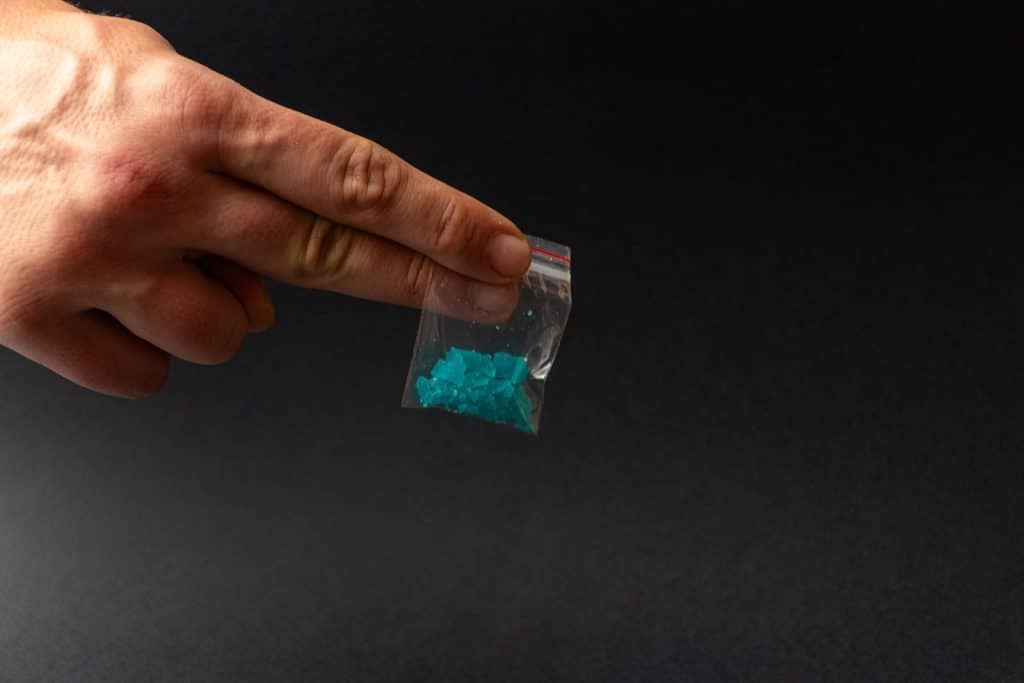
Most people encounter meth as crystal meth, which looks like clear or bluish-white rocks or glass fragments. The drug can also appear as powder or pills. Unlike crack cocaine, which comes from the coca plant, meth is entirely man-made.
The drug works by flooding your central nervous system with dopamine. This creates an intense high that can last anywhere from 8 to 24 hours, depending on how it’s used.
What Is Crack?
Crack cocaine is powdered cocaine mixed with baking soda and water, then heated until it hardens into rocks. It’s a form of cocaine processed specifically for smoking. The name comes from the crackling sound the rocks make when heated.
While powder cocaine comes from the coca plant in South America, crack is created through this simple cooking process. Smoking crack delivers the drug to your brain within seconds, much faster than snorting powder.
Note: The high from crack use is intense but brief, usually 5 to 10 minutes. This short-term effect is one of the key differences when comparing crack vs meth.
How Does Meth Addiction Occur?
Meth addiction starts with chemistry, not choice. When you use meth, it releases massive amounts of dopamine in your brain, far more than any natural reward like food or sex. Of course, it doesn’t take long for the brain to remember this flood and crave it.
The problem compounds with repeated meth use. Your brain adapts by reducing its natural dopamine production and destroying dopamine receptors. Normal activities stop feeling rewarding. You need meth just to feel baseline normal.
Withdrawal symptoms kick in when the drug leaves your system. Exhaustion, depression, and intense cravings make it hard to quit without support. Your brain is physically different now, and it takes months for dopamine systems to begin recovering.
The cycle reinforces itself. Each use provides temporary relief from withdrawal, strengthening the association between meth and feeling okay.
In other words, those who struggle with meth aren’t weak. This substance abuse is caused by brain chemistry, not moral failure.
How Does Crack Addiction Occur?
Crack addiction develops through rapid reinforcement. The 5 to 10 minute high creates an immediate crash, and your brain quickly learns that another hit will fix the discomfort. This pattern can establish itself in days or weeks.
Cocaine addiction works through dopamine, too, but crack’s delivery method makes it more addictive than powder. Smoking sends the drug to your brain in seconds, creating a stronger association between the act of smoking and the reward.
Your brain starts prioritizing crack over everything else. The effects of crack include changes to your prefrontal cortex, the part responsible for decision-making and impulse control. You know using causes problems, but the drive to use overrides logic.
Substance use becomes compulsive. Intense cravings trigger automatically when you see pipes, smell smoke, or encounter other reminders. These aren’t character flaws. They’re neurological patterns that require professional addiction treatment to break.
If you’re watching a loved one struggle, understand that their brain is working against them. Crack addiction isn’t something people can simply decide to stop.
Symptoms of Meth Addiction
You may already have a grasp on some of the symptoms, but whatever you think, it’s actually a bit worse:
Meth Mouth
Your teeth decay rapidly due to dry mouth, teeth grinding, and poor hygiene. Tooth decay progresses faster with meth than almost any other drug. You might notice broken, blackened, or rotting teeth even after short periods of use.
Skin Sores
Skin sores appear from obsessive picking and scratching. The drug makes you feel like bugs are crawling under your skin. The even worse news is that these wounds heal slowly because meth restricts blood flow and weakens your immune system.

Extreme Weight Loss
Weight loss happens because the drug kills your appetite and speeds up your metabolism. You might drop a surprising 20, 30, or 40 pounds in weeks. People around you will notice the gaunt, hollow look.
Cardiovascular Problems
Your heart rate and blood pressure stay elevated for hours after use. This puts constant stress on your heart and blood vessels. Cardiovascular issues like irregular heartbeat, chest pain, and stroke risk increase with every use.
Psychosis
Psychosis can develop even in first-time users. You might see shadows, hear voices, or believe people are following you. These mental health symptoms feel completely real and can persist for months after quitting.
Violent Behavior
Violent behaviors emerge from paranoia, sleeplessness, and brain chemistry changes. You might lash out at people trying to help or become aggressive over minor issues. This isn’t who you are, it’s what the drug does.
Cognitive Impairments
Impairments in memory, attention, and decision-making show up quickly. You struggle to follow conversations, forget important events, or make dangerous choices. Your brain’s executive functions decline with continued use.
Symptoms of Crack Addiction
The “fix” from crack may not last as long as meth, but that doesn’t make it any less dangerous.
Cardiovascular Stress
Your heart works overtime every time you smoke. Cardiovascular strain includes rapid heartbeat, chest tightness, and elevated blood pressure. The risk of a heart attack jumps significantly, even in young, otherwise healthy people.

Respiratory Damage
Smoking crack damages your lungs and airways. You develop a persistent cough, struggle to breathe deeply, and face a higher infection risk. Also, if you have any existing health problems in your respiratory system, they will compound over time.
Paranoia and Anxiety
Crack amplifies anxiety and paranoia with each use. You feel watched, threatened, or convinced that something terrible is about to happen. These feelings intensify the more you use.
Risky Behavior
The drug lowers your inhibitions and impairs judgment. You take risks you’d never consider sober, like driving against traffic to avoid a longer route; an insane behavior that you’d normally never do.
And of course, since this behavior can affect pretty much any of your decisions, there’s an increased risk for disease, injury, and legal trouble.
Severe Cravings
The crash after crack use triggers powerful urges to use again immediately. These cravings override everything else, including your safety and responsibilities.
Physical Deterioration
Physical health declines visibly. You lose weight, your skin dulls, and you look years older within months. Health issues stack up as you neglect basic self-care.
Treatment of Meth Addiction
Recovery from stimulant addiction starts with understanding that you need comprehensive treatment tailored to your specific situation.

At Recreate Life Counseling, we’ve built our programs around one principle: helping you recreate yourself and your life, not just stopping drug use.
Medical Detox
Detox is often the first step. While stimulant withdrawal isn’t typically life-threatening, it’s exhausting and emotionally brutal.
We provide medical supervision and support to manage the fatigue, depression, and withdrawal symptoms that come with stopping. Our team monitors your physical health and helps stabilize you before moving into therapy.
Levels of Care
We offer multiple treatment programs because one size doesn’t fit all.
Our Partial Hospitalization Program (PHP) provides the most intensive outpatient care available. You spend your days with us receiving therapy and support, then return home each evening. This works well if you need structured treatment but have responsibilities you can’t abandon.
Our Intensive Outpatient Program (IOP) meets several hours a day, three to five days a week. This outpatient treatment option gives you flexibility while maintaining the therapeutic intensity needed for recovery. You continue working or going to school while getting the help you need.
For those who need round-the-clock support, we provide residential treatment options where you live on-site. This creates a safe environment removed from triggers and old patterns. Think of it as hitting the reset button on your life.
Evidence-Based Therapies
Cognitive Behavioral Therapy (CBT) forms the foundation of our approach. You learn to identify thought patterns that lead to use, develop coping strategies, and rebuild the decision-making skills that stimulants have damaged.

Our therapists help you work through the root causes driving your substance abuse, whether that’s trauma, mental health conditions, or relationship issues.
We also integrate Dialectical Behavior Therapy (DBT), trauma therapy, and holistic treatments. Group therapy connects you with others facing similar struggles. Individual sessions dig deeper into your personal triggers and challenges.
We incorporate adventure therapy for those who respond well to experiential learning, and we support traditional 12-step approaches for those familiar with that path.
Dual Diagnosis Care
Many people struggling with stimulant addiction also have underlying mental health conditions like anxiety, depression, PTSD, or bipolar disorder.
We provide integrated behavioral health care that addresses both your addiction and any co-occurring disorders. Our licensed providers develop treatment plans that tackle all aspects of your well-being. Ignoring these underlying issues only increases relapse risk.
Medication-Assisted Treatment
While there’s no FDA-approved medication specifically for stimulant addiction, healthcare providers can prescribe medications to manage withdrawal symptoms, reduce intense cravings, treat co-occurring mental health conditions, and address sleep problems or depression that make recovery harder.
We take an individualized approach to determine what might help you.
Building Recovery Skills
Treatment isn’t just about stopping drug use. We teach life skills that support lasting sobriety: stress management, healthy communication, financial planning, job readiness, and relationship building.
These practical tools help you create the life you want, making recovery sustainable beyond our walls.
Family Involvement
Addiction impacts everyone around you. We offer family counseling to repair relationships, educate your loved ones about addiction, and build a support system that reinforces your recovery. Healing these connections often becomes a powerful motivator for maintaining sobriety.
Relapse Prevention and Aftercare
We build relapse prevention into every stage of treatment. You learn to recognize warning signs, manage triggers, and develop healthy coping mechanisms.

Our alumni program keeps you connected to support after you complete treatment, and we offer continuing care to help you maintain long-term recovery.
Many of our staff members are in recovery themselves. We understand that sobriety is an ongoing process, and we’re here for the long term.
Insurance and Accessibility
We work with major insurance plans to make addiction treatment accessible. Our admissions team verifies your coverage and explains any out-of-pocket costs upfront. Financial concerns shouldn’t prevent you from getting help.
If you or someone you care about is struggling with meth addiction or crack addiction, we’re here to help. Contact us or call us 24/7 to speak with someone who understands what you’re going through. Recovery is possible, and you don’t have to do it alone.
Written by: The Recreate Life Counseling Editorial Team
Published on: November 30, 2025
Updated on: January 13, 2026