


Fears are natural reactions to specific stimuli that humans face. Some fears make sense, like fear of spiders (arachnophobia), fear of heights (acrophobia), fear of having no phone (nomophobia), and so on. In some cases, these fears can become a little too much, to the point of developing a phobia. But again, that’s also normal.
However, in some cases, you can find irrational, sometimes funny fears. A few real examples include fear of long words, ironically called hippopotomonstrosesquippedaliophobia, fear of mirrors, and even fear of hair. That, to a normal person, doesn’t make any sense.
But if you look into it, these unusual fears and anxieties almost always point to deeper trauma. Today, we’ll have a look at some of these weird fears and unusual phobias, as well as some of the reasons that could have resulted in such fears.
1. Fear of Peanut Butter
Arachibutyrophobia is the fear of peanut butter sticking to the roof of one’s mouth. While it might sound amusing, this irrational fear can trigger panic attacks and significantly impact someone’s well-being.

People with this anxiety disorder experience intense fear around peanut butter’s thick, sticky texture.
Possible Origins
This rare phobia often stems from a traumatic experience, typically a childhood choking incident or moment of feeling unable to breathe while eating peanut butter.
The brain associates the feared object with danger, creating a lasting anxiety response. It may also connect to social anxiety; worrying about appearing awkward in public while managing the sticky sensation.
Overcoming It
Cognitive behavioral therapy (CBT) and exposure therapy are effective treatment options for arachibutyrophobia.
CBT helps individuals challenge negative thought patterns, while exposure therapy involves gradual, controlled contact with peanut butter to desensitize the fear response.
Recreate Life Counseling offers comprehensive mental health treatment programs that address specific phobias through evidence-based therapies, helping clients overcome anxiety disorders that impact daily life.
2. Fear of Hair
Chaetophobia is the extreme fear of hair, whether loose strands, hair on surfaces, or sometimes even attached hair.

It may not make any sense, but this phobia can trigger panic attacks and cause people to avoid physical contact, spend excessive time cleaning, or experience distress in barbershops and salons.
Possible Origins
This type of phobia often develops from traumatic experiences involving hair, such as severe tangling, hair pulling during childhood, or witnessing disturbing events related to hair.
Some cases link to fear of germs (mysophobia), where hair represents contamination. The fear may also stem from associations with decay or loss of control.
Overcoming It
Exposure therapy combined with CBT offers effective treatment for chaetophobia. Through gradual exposure to hair in controlled settings, individuals can desensitize their fear response while learning coping strategies.
Recreate Life Counseling’s outpatient programs provide personalized mental health support for anxiety disorders, using evidence-based approaches to help clients understand their phobia’s root causes and develop practical tools for managing their intense fear in daily situations.
3. Fear of Sleep
This is a strange one; somniphobia is the irrational fear of falling asleep or staying asleep. People with this specific phobia experience intense fear at bedtime, often staying awake for dangerously long periods.
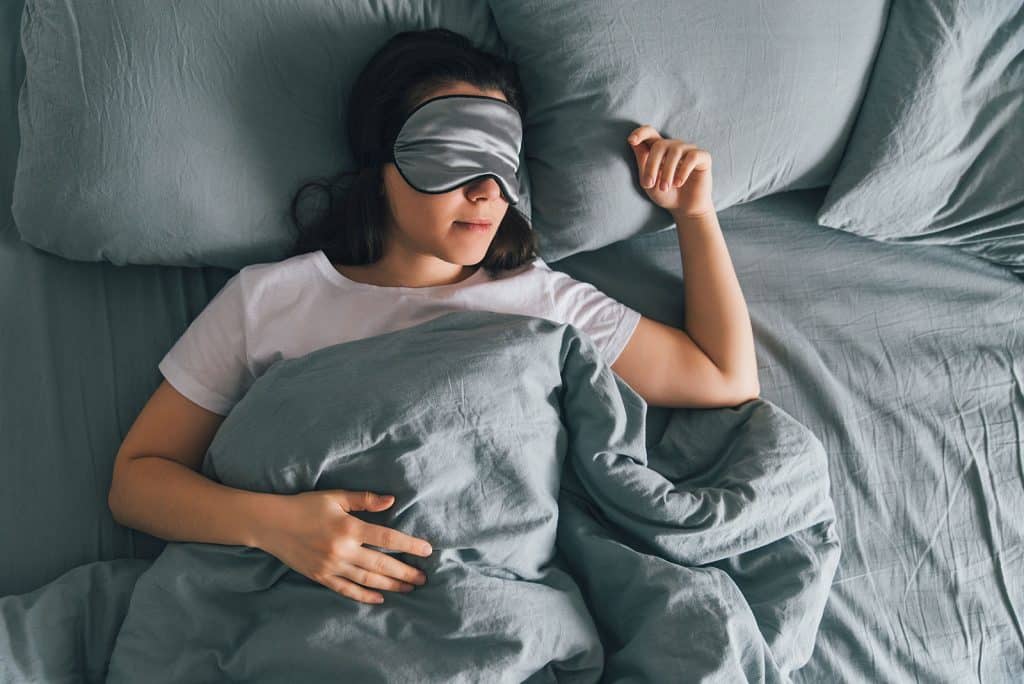
Unlike typical insomnia, somniphobia involves extreme anxiety about the act of sleeping itself. Needless to say, this anxiety disorder can lead to severe exhaustion, affecting mental health, physical well-being, and daily functioning.
Possible Origins
This type of phobia often stems from traumatic experiences during sleep, such as recurring nightmares, night terrors, or sleep paralysis episodes. Some people develop somniphobia after experiencing panic attacks while sleeping or witnessing someone die in their sleep.
The fear may also be connected to losing control or fear of not waking up. In some cases, it relates to other anxiety disorders or fear of the vulnerability that comes with being unconscious.
Overcoming It
Once again, cognitive behavioral therapy is highly effective for treating somniphobia. CBT helps individuals identify and challenge the negative thoughts fueling their fear of sleep. Exposure therapy techniques gradually help people become comfortable with the sleep process again.
Recreate Life Counseling provides comprehensive treatment options for anxiety disorders, including sleep-related phobias.
Our mental health professionals use evidence-based approaches to address the root causes of somniphobia while teaching practical coping strategies for managing nighttime anxiety.
4. Fear of Balloons
Even healthy adults may get a little anxious when a balloon is about to pop; most of us have that mini fear of sudden loud noises. However, if it develops into a phobia, it becomes known as globophobia.

Globophobia is the extreme fear of balloons. People with this phobia experience intense anxiety around balloons, particularly fearing the loud popping sound they make.
This irrational fear can make birthday parties, celebrations, and public events extremely stressful. Some people with globophobia also fear the texture, movement, or unpredictability of balloons.
The feared object triggers genuine panic attacks and avoidance behaviors that affect social situations.
Possible Origins
Globophobia typically develops from a traumatic experience involving a balloon popping unexpectedly, especially during childhood. The sudden loud noise can create a lasting association between balloons and danger.
This specific phobia sometimes overlaps with phonophobia (fear of loud noises) or connects to broader sensory sensitivities.
The unpredictable nature of when a balloon might pop creates ongoing anxiety for these people, similar to how agoraphobia involves fear of uncontrollable situations.
Overcoming It
Yet again, gradual exposure therapy is particularly effective for globophobia, gradually helping individuals desensitize to balloons in controlled environments.
CBT techniques address the anxiety patterns and help people reframe their thoughts about the feared object. Recreate Life Counseling offers personalized mental health treatment that addresses various anxiety disorders and rare phobias.
Their therapists work with clients to understand their specific triggers and develop coping mechanisms that reduce the impact of globophobia on daily life and social interactions.
5. Fear of Bathing
Ablutophobia is the persistent fear of bathing, washing, or cleaning oneself. Now, this might seem strange to most people, but for those with this specific phobia, the thought of bathing triggers genuine panic attacks.

The fear can involve water itself, the sensation of being wet, or the vulnerability of being unclothed. As you might imagine, this can seriously affect someone’s hygiene, social life, and overall well-being.
Possible Origins
This type of phobia often traces back to a traumatic experience during childhood, such as nearly drowning in a bathtub or being forced to bathe against one’s will.
In some cases, ablutophobia connects to other conditions like fear of water or fear of germs, where the person associates bathing with contamination rather than cleanliness. For others, it stems from a loss of control or vulnerability they felt during a past incident.
Overcoming It
Exposure therapy works particularly well for ablutophobia, starting with small steps like touching water and gradually building up to full bathing.
When combined with cognitive behavioral therapy, individuals learn to challenge their anxious thoughts about washing.
Recreate Life Counseling provides comprehensive treatment options through outpatient programs, where mental health professionals help clients address these anxiety disorders with personalized care plans that fit into their daily routines.
6. Fear of Clowns
Coulrophobia is the extreme fear of clowns. Interestingly enough, this is one of the more common phobias, though it still counts among the unusual ones. People with coulrophobia experience intense fear when seeing clowns in person, on screen, or even in photographs.

The exaggerated makeup, artificial expressions, and unpredictable behavior of clowns trigger significant distress that can make circuses, parties, and certain movies absolutely terrifying.
Possible Origins
This irrational fear often develops during childhood when kids encounter clowns with their distorted features and erratic movements.
The “uncanny valley” effect plays a role here, where something appears almost human but not quite, creating discomfort. Some people develop coulrophobia after watching horror movies featuring evil clowns or having a negative encounter with an overly aggressive entertainer.
The exaggerated features hide the person’s true emotions, which can feel threatening to some individuals.
Overcoming It
Treatment typically involves gradual desensitization through controlled exposure, starting with cartoon clowns and slowly working toward real ones. CBT helps people reframe their thoughts and understand that their fear response is disproportionate to actual danger.
At Recreate Life Counseling, therapists use evidence-based approaches to help clients work through rare phobias like coulrophobia, providing the tools needed to manage their reactions in situations where they might encounter their feared object.
7. Fear of Holes
Trypophobia is the visceral reaction to clusters of small holes or bumps. While not officially recognized in the DSM-5, many people experience real distress when seeing patterns like honeycombs, lotus seed pods, or even sponges.

The reaction often includes nausea, itching, and a crawling sensation on the skin. What makes this particularly interesting is that it seems to be more of an instinctive disgust response than traditional fear.
Possible Origins
Researchers believe trypophobia may have evolutionary roots. Our ancestors who associated hole patterns with dangerous animals (like poisonous creatures with spotted skin) or diseased tissue had better survival odds.
So in a way, this response might be hardwired into some people’s brains as a protective mechanism. For others, a negative experience involving insects or parasites that create hole-like patterns may have triggered the association.
Overcoming It
Since trypophobia involves disgust as much as fear, effective treatment focuses on reducing the intensity of the reaction rather than eliminating it entirely.
Therapists use gradual exposure combined with relaxation techniques to help individuals tolerate these visual patterns without the overwhelming physical response.
Get the Best Treatment and Therapy in Boynton Beach, Florida
While these phobias might seem unusual or even funny at first glance, they can seriously impact your quality of life. The good news is that you don’t have to live with these fears forever. Whether you’re dealing with one of these rare phobias or struggling with more common anxiety disorders, professional help is available.
At Recreate Life Counseling in Boynton Beach, Florida, our experienced mental health professionals understand that every fear has a story. We offer personalized treatment plans using proven therapies to help you overcome the anxieties holding you back. Our compassionate team creates a safe space where you can address your fears without judgment.
Ready to take the first step? Contact Recreate Life Counseling today and start your journey toward a life free from irrational fears.
Written by: The Recreate Life Counseling Editorial Team
Published on: November 30, 2025
Updated on: November 30, 2025