
A concussion can be a serious blow to your brain, literally and figuratively. If you’re an alcohol drinker, that can be an even bigger problem, especially if you’re not an occasional one.
Alcohol can and will increase the risk of further injury after a concussion, and since we’re talking about one of your most critical organs, this isn’t a risk you want to take.
Today, we’ll explain why alcohol consumption after a concussion is a horrible idea, and also let you know when it is safe to drink after a concussion.
Just keep in mind that the information provided, although 100% true, can be easily misinterpreted. Treat the information below as guidance, but not as a replacement for your health care professional.
After all, we’re not stretching if we say that drinking irresponsibly after a severe concussion is gambling with your life.
Quick Answer: Wait at least 2-4 weeks for mild concussions, 4-8 weeks for moderate, and several months for severe cases. Always get medical clearance before drinking, even if you feel fine.
How Long After a Concussion Can You Drink Alcohol?
The short answer is: it depends on the severity of the concussion, and that severity must be determined by your healthcare professional, not you.
Your doctor will give you an estimate on when you can drink again, but even after that period is over, you need to get checked out again before you’re in the green.
But here’s another question: Why is it like that? What’s the point of having to wait before you’re able to drink again? And why does the degree of the concussion affect the waiting period?
The first step in answering all these questions is understanding the effect of alcohol on the human body.
The Effects of Alcohol on the Body and Brain
When you drink alcohol, it impacts nearly every system, especially your brain and nervous system.
Alcohol is a depressant, which means it slows down your brain function. It does this by interfering with the way brain cells communicate with each other.
This is why alcohol affects your coordination, judgment, and reaction times. You might feel relaxed at first, but that’s actually your brain struggling to process information as quickly as it normally would.
Here’s what happens when alcohol enters your system:
- Your cognitive function takes a hit. Tasks that require focus, decision-making, or memory become harder. This is why you might say things you don’t mean or forget parts of your evening after drinking.
- Your balance and coordination suffer. Alcohol disrupts the signals between your brain and body, which is why people stumble or have trouble walking straight after a few drinks.
- Your body prioritizes processing the alcohol over everything else. Your liver works overtime to break down the alcohol, which means other important functions get put on the back burner.
Now, here’s the critical part: all of these effects are temporary for a healthy person. Your brain bounces back, your coordination returns, and your body clears out the alcohol within hours to a day or so.
But when you’ve had a head injury, your brain isn’t operating at full capacity. It’s already compromised and working hard to heal. Adding alcohol to the mix is like asking someone with an injured leg to run a marathon.

What Happens During a Concussion
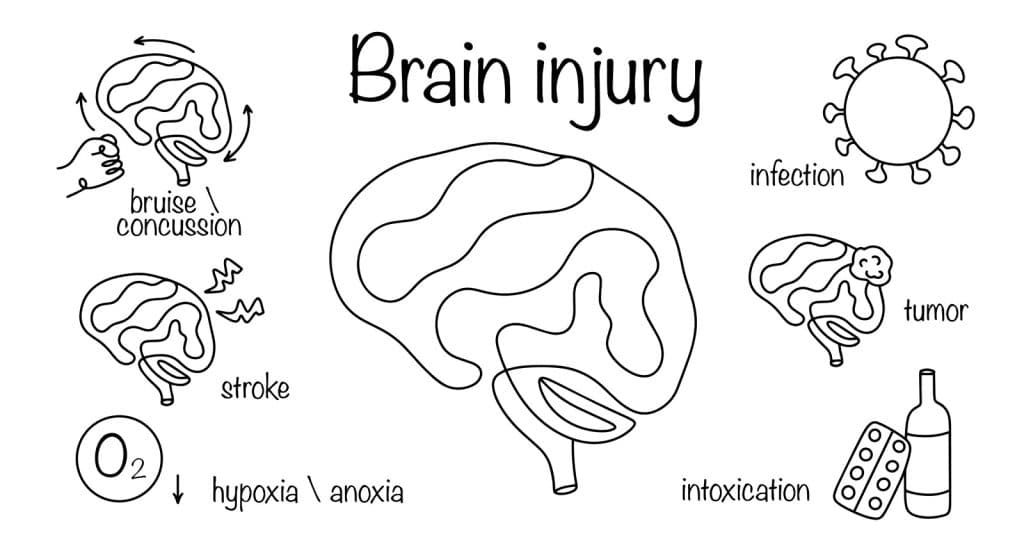
A concussion is a type of mild traumatic brain injury (mTBI) that happens when your brain gets jostled inside your skull. This can occur from a direct blow to the head, a fall, or even a sudden jolt that whips your head back and forth.
When this happens, your brain literally bounces or twists within your skull. This movement can stretch and damage brain cells, disrupt chemical balances, and temporarily change how your brain functions.
The damage isn’t always visible on standard imaging tests like CT scans or MRIs, which is why concussions can be tricky to diagnose. But the effects are very real.
Common Symptoms of Concussion
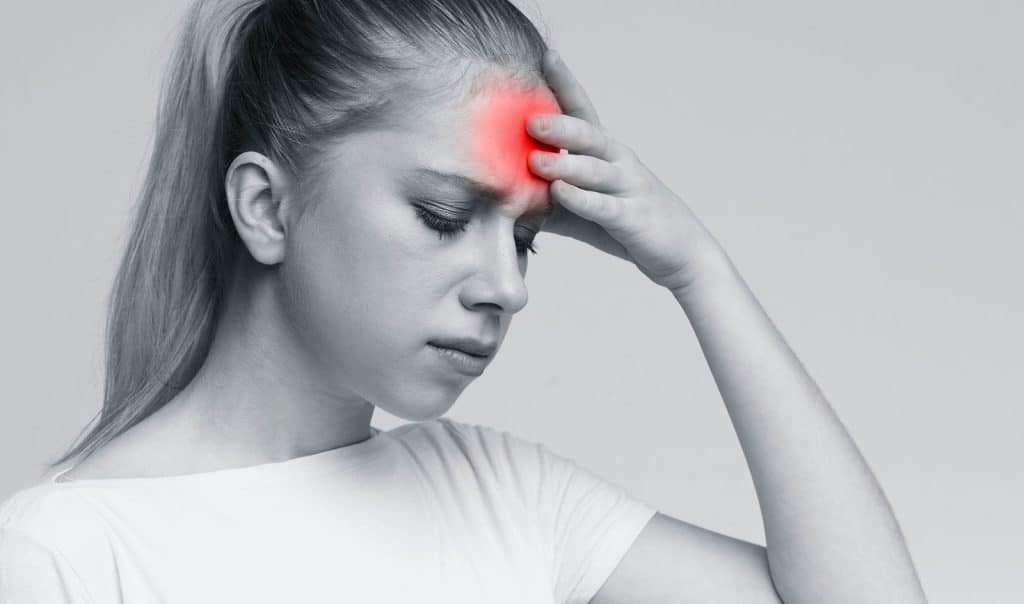
- Headaches that won’t quit, dizziness, and sensitivity to light or noise. Your brain is essentially inflamed and irritated, which triggers these uncomfortable sensations.
- Confusion, memory problems, and difficulty concentrating. The pathways your brain uses to process and store information have been disrupted.
- Nausea or vomiting. Your brain controls balance and coordination through specific regions, and when those are affected, your stomach often pays the price.
- Fatigue and sleep disturbances. Your brain needs extra energy to heal, which is why you might feel exhausted even after doing very little.
In more severe cases, you might experience loss of consciousness, slurred speech, or prolonged confusion. These are red flags that require immediate medical attention.
The key thing to understand is this: your brain is in a vulnerable state after a concussion. It needs time, rest, and the right conditions to repair itself. Anything that interferes with that healing process, including alcohol consumption, can make things significantly worse.

Timeline Recommendations by Severity
We’ve already mentioned that the severity of the concussion affects the duration of the alcohol-free period. Now, let’s understand why:
Mild Concussions
For a mild TBI where symptoms clear up within a few days to a week, doctors usually advise waiting at least 2-4 weeks before any alcohol use.
Some medical professionals push this even further to 6 weeks, especially if you’re still experiencing any lingering issues like headaches or trouble concentrating.
The CDC emphasizes that even after symptoms disappear, your brain is still healing beneath the surface. In other words, just because you feel better doesn’t mean you’re fully recovered.
Moderate Concussions
If your concussion symptoms lasted longer or were more severe, like persistent headaches, significant memory issues, or difficulty returning to daily activities, you’re looking at a minimum of 4-8 weeks without drinking. Some cases require even longer.
Your healthcare provider will want to see you for follow-up appointments to assess your progress before giving you the green light.
Severe Concussions or Post-Concussion Syndrome
This is where things get serious. Post-concussion syndrome occurs when symptoms persist for weeks or even months after the initial injury.
If you’re dealing with this, alcohol is off the table until a medical professional confirms you’ve fully recovered. This could mean several months, and it’s as critical as it gets. No alcohol means no alcohol.
Some concussion patients develop complications that extend their recovery time significantly. In these cases, rushing back to drinking can trigger setbacks or worsen existing symptoms.
Quick Reference: Alcohol Abstinence Timeline by Concussion Severity
| Concussion Severity | Minimum Waiting Period | Key Considerations |
|---|---|---|
| Mild | 2-4 weeks (some doctors recommend up to 6 weeks) | Wait even if symptoms disappear—your brain is still healing beneath the surface. Don’t resume drinking if you have any lingering headaches or concentration issues. |
| Moderate | 4-8 weeks minimum (may be longer depending on symptoms) | Requires follow-up medical appointments to assess progress. Your doctor must confirm recovery before you resume drinking. |
| Severe/Post-Concussion Syndrome | Several months (until medical professional confirms full recovery) | Absolutely no alcohol until cleared by your healthcare provider. Recovery timelines vary significantly—some cases take many months. |
Important: These are minimum guidelines. Your doctor may recommend a longer alcohol-free period based on your specific case. Never resume drinking without medical clearance, even if you’ve passed the minimum timeframe.
Signs You’re Ready to Drink Again
Even after the recommended waiting period passes, you shouldn’t just crack open a beer and hope for the best. Your body needs to show specific signs that it’s actually ready.
Here’s what you and your doctor should be looking for:
Medical Clearance
As you’d expect, this is non-negotiable. You need a healthcare provider to evaluate you and confirm you’re in the clear. They’ll assess your neurological function, check for any lingering issues, and determine whether your brain has healed enough to handle alcohol.
Don’t try to diagnose yourself or rely on a family member or loved one to make this call. They care about you, but they’re not trained to spot subtle signs of incomplete recovery.
Complete Symptom Resolution
This means zero symptoms, not “mostly better” or “only a small headache sometimes.”
If you’re still dealing with any post-concussion symptoms like dizziness, fatigue, or sensitivity to light, even after medical clearance, then you’re not ready. Your brain is still in the healing process.
Return to Normal Activities
This one might be a given, but you should be able to handle your regular routine without issues. This includes work, physical activity, exercise, and anything else you did before the injury.
If climbing stairs leaves you winded or reading for 30 minutes triggers a headache, your brain, once again, hasn’t fully recovered.
Stable Mental Health
Concussions can affect your mood and mental health.
Even if you’re not experiencing anything physical but have feelings of depression, anxiety, or irritability that wasn’t there before the injury, adding alcohol to the mix can make things worse. Make sure your emotional state has stabilized before you drink.
The Reality Check
Even when you get clearance, start slow. Your first drink after a concussion shouldn’t be a night out with friends. Have one drink in a safe environment and see how your body responds. If anything feels off, even slightly, stop immediately and contact a medical professional.
Seek Immediate Medical Attention If You Experience
- Loss of consciousness or worsening confusion
- Severe or worsening headache
- Repeated vomiting
- Slurred speech or weakness/numbness
- Seizures
- Unequal pupil sizes
- Clear fluid draining from nose or ears

Before We Let You Go
On a different note, we’d like to say that a concussion, as much of a bad thing it is, is actually a good chance for you to stop drinking altogether. Why would you treat a concussion, or pretty much anything that stops you from drinking, as a temporary stop?
You’ve already gotten through the tough part of breaking the habit and getting rid of the withdrawal symptoms. All that’s left now is the home stretch. Stay alcohol-free fi you can. After all, the ethanol in alcohol is literally a poison.
However, if you or a loved one have an actual problem with alcohol or any sort of substance abuse, then we’d like to hear from you.
Contact us at Recreate Life Counseling, and we’ll make your escape from any sort of addiction as smooth as it can get. We’re not a JCI Accredited Organization for nothing.
FAQs
Can I drink one beer after a concussion?
What happens if I accidentally drink after a concussion?
Can I drink alcohol 2 weeks after a mild concussion if I feel fine?
Does the type of alcohol matter (beer vs liquor)?
Written by: The Recreate Life Counseling Editorial Team
Published on: November 30, 2025
Updated on: December 13, 2025