
Drug and alcohol abuse remain a major health concern in Florida. It’s estimated that roughly 31 people die from substance-related deaths in every 100,000 residents in the state. Just in 2023, over 7,000 Floridians suffered from fatal overdoses.
Palm Beach is no exception, with the county reporting hundreds of lives lost from drug overdoses every year.
Unfortunately, many people still refuse to seek professional help with their substance use disorder (SUD). Only about 1 in 5 of those who need it actually receive sufficient treatment.
There are several reasons why some people, instead of reaching out for help, choose to stay quiet about their situation. They may be afraid of the stigma associated with addiction, lack awareness of available treatment, or can’t afford treatment.
Others simply can’t take the time to receive treatment, either because they can’t leave their family or work responsibilities behind.
If you or any of your loved ones are facing any one of these barriers, know that there are flexible treatment options that are effective and don’t require you to pause your life.
An outpatient addiction treatment is one such option. This is a structured program that allows those suffering from SUD to receive evidence-based care while continuing to live at home.
Here’s everything you should know.

What Is Outpatient Addiction Treatment?
Addiction treatment generally falls into two types: inpatient or residential care and outpatient rehab. Both approaches focus on rehabilitation, but benefits can vary from one person to another.
The type of treatment that is right for you depends on the severity of your condition and your personal needs.
During diagnosis, healthcare providers use the American Society of Addiction Medicine (ASAM) Criteria to determine the level of care suitable for a patient.
There are six aspects clinicians consider, namely:
- The person’s motivation to engage in treatment
- Likelihood of withdrawal
- Risk of relapse
- Physical well-being
- Mental health status and history
- Available support network and living situations
It’s worth noting that while outpatient treatment has many benefits, it’s not necessarily right for everyone.
People who are diagnosed with severe symptoms of drug or alcohol abuse are generally advised to attend an inpatient program. This is because they’re more difficult to manage and demand 24/7 medical supervision.
Outpatient rehab, on the other hand, is ideal for individuals dealing with mild to moderate substance abuse symptoms—those who can and are willing to go to treatment with less oversight.
It’s usually less restrictive than residential programs. In this approach, patients aren’t required to stay in a facility. They receive treatment during the day and go home every night.
This flexibility means working individuals who previously couldn’t access professional support due to their schedule can receive it while maintaining employment.
Parents and caregivers who need help but can’t leave their families and obligations behind can participate in a structured support without stepping away from their loved ones.
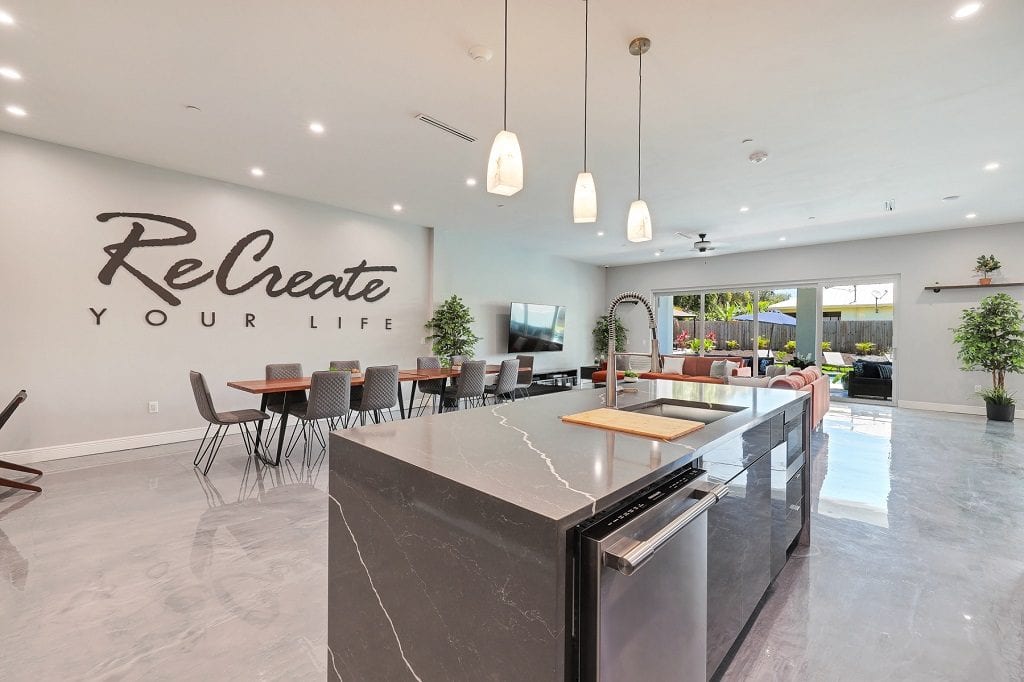
For individuals and families living in Palm Beach, Recreate Life Counseling offers premier outpatient rehab services to adults and young adults living with SUD and its co-occurring disorders.

What Can You Expect From an Outpatient Treatment?
There are different types of outpatient care, varying in treatment intensity and the time patients need to commit.
Partial hospitalization (PHP) and intensive outpatient (IOP) are the two common levels of care available. Both types generally follow after a person completes a residential or inpatient program.
PHP is the most intensive version of outpatient treatment for addiction. It aims to stabilize the person during early recovery, which is often the most critical and sometimes dangerous.
Many facilities offer partial hospitalization as a part of a comprehensive treatment plan, provided that the recovering person resides close enough to the center.
During partial hospitalization, patients are given 5 to 8 hours of daily treatment. Sessions are held 5 to 6 days weekly, and can last for a few weeks to several months. The exact duration depends on the individual’s progress.
PHP consists of various services, including individual counseling, group therapy, family meetings, and medication management. Some programs even include employment assistance.
Intensive outpatient, on the other hand, is the common step-down following residential treatment in a standard continuum of care.
Clinicians may also recommend IOP after a partial-hospitalization or residential program, as a bridge for those who still need monitoring, but are already cleared and ready to go home.
IOP is designed to provide better support than a standard outpatient program. It can be a good option and entry point for patients with stable home environments and a robust support network while healing.
At the end of an IOP, the person suffering from substance-related issues will hopefully be able to ease back into their normal lives without relying on alcohol or drugs to function.
Sessions in an intensive outpatient model typically consist of psychoeducation, counseling, and relapse prevention.
People who sign up for an IOP are expected to meet with their healthcare provider for 3 to 4 hours daily, 5 to 6 times a week. Treatment lasts anywhere from 2 weeks to a year.
Recreate Life Counseling offers both standard, partial hospitalization, and intensive outpatient care in Florida and Boynton Beach.
Choosing the Right Outpatient Rehab Facility
When someone feels desperate for help, they may become tempted to reach out to the first or nearest addiction treatment center they can find.
However, this approach to seeking professional support is risky, and there are certain things you can do to ensure you avoid bank-breaking and ineffective one-size-fits-all substance use interventions.
Below are a few pointers to help you make more informed decisions for your journey to overcome addiction.
Offers the Right Level of Care
The first thing you want to find out is whether the facility you’re eyeing provides sufficient and appropriate levels of care to meet your specific needs.
First, you need to ask yourself, “What exactly do you need from a rehab center?”
When searching for an SUD treatment provider, take the time to assess yourself. What kind of substances do you misuse, and how long? Do you suffer from a co-occurring mental health disorder, such as depression, anxiety, and PTSD?
Has your alcohol or drug use impacted various aspects of your life, and how severely? Do you live in a stable home environment or have a support network to go through recovery?
Depending on your answers, you can have an idea of what type of center and treatment—inpatient or outpatient—suits you best.
This is why a rehab facility must provide the comprehensive continuum of care necessary for effective and lifelong recovery.
Recreate Life Counseling offers both residential and outpatient services. Medically supervised detox is provided for those who are just starting their sober life, as well as aftercare support for individuals who have completed their primary treatment.
Medication-assisted treatment (MAT) is also available for those who struggle with certain types of SUDs, such as opioid use disorder (OUD) and alcohol use disorder (AUD).
Evidence-based Outpatient Treatment Options
After making sure the facility offers the necessary support for all stages of recovery, the next step is to assess their treatment options and whether they’re evidence-based.
There are a variety of treatment methods and models for alcohol and drug addiction. A reliable facility should be able to provide whichever treatment suits the patient’s unique needs in a personalized approach.
Here are some therapies and treatments you should look for:
- Cognitive-behavioral therapy (CBT): CBT is a standard evidence-based talk therapy offered in many facilities. Its goal is to help patients identify unhealthy thoughts and behavioral patterns causing substance abuse and provide healthier alternatives.
- Dialectical behavioral therapy (DBT): This is a type of CBT, but more focused on managing the negative and intense emotions that people suffering from addiction typically experience. Mindfulness and distress tolerance are taught in DBT.
- Motivational interviewing (MI): A client-centered counseling approach, motivational interviewing helps recovering patients by strengthening their resolve and commitment to recovery.
- Relapse prevention therapy: Relapse prevention therapy increases the chances of a successful recovery by teaching valuable coping skills, behavioral changes, and lifestyle strategies to make navigating life easier for people on their way to total sobriety.
- Family counseling: Family involvement is crucial to overcoming any substance use disorders. Family therapy educates close relatives about addiction, mends relationships, teaches accountability, and promotes healthier communication.
- Medication-assisted treatment: Some people may need medication along with therapy to effectively and safely manage withdrawal. Healthcare providers may prescribe certain medications, such as methadone, buprenorphine, and naltrexone.
Apart from the above treatments, Recreate Life Counseling offers EMDR for trauma-related addiction, as well as holistic or experiential options like yoga, meditation, acupuncture, and music therapy.
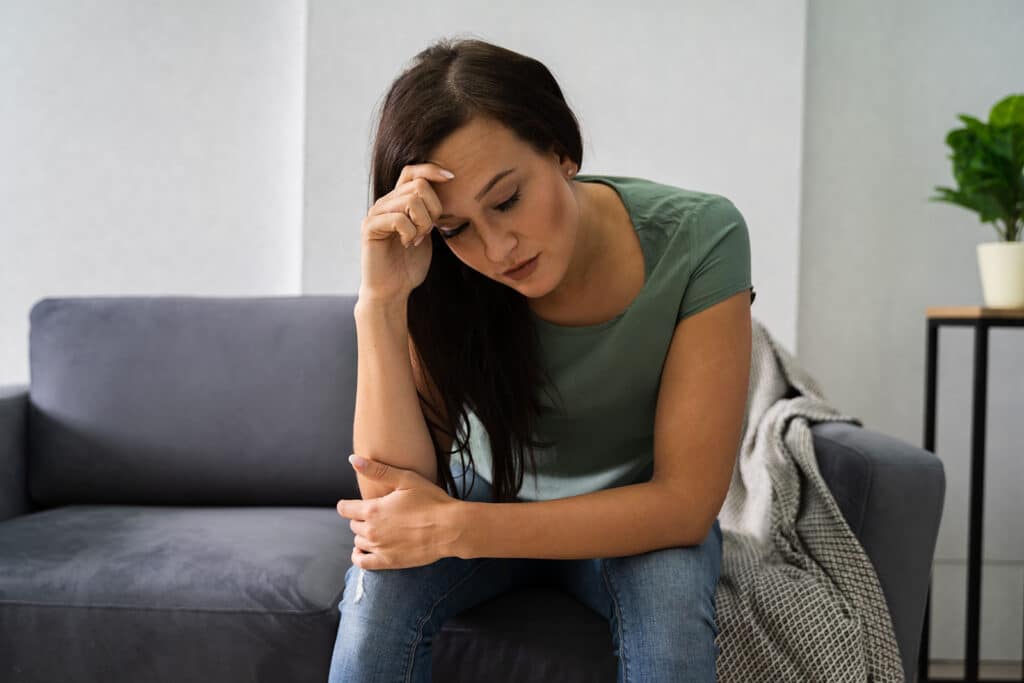
Gender-informed Intervention
Everyone’s experience with addiction is different. Research has consistently shown that gender can have a significant impact on the development, duration, severity, and treatment of substance use disorders.
Women, for instance, have been found to progress faster from first use to developing dependence and addiction than men.
The withdrawal symptoms experienced by females who struggle with addiction also tend to be more severe due to a combination of biological and hormonal factors. Because of this, they tend to get sick more quickly, too.
It’s not only different but also riskier to their health, as they’re more vulnerable to suffering from co-occurring mental health issues, including depression, anxiety, and eating disorders.
Not to mention, there are more trauma-related cases in women with SUD. Surveys suggest that a staggering number of recovering female addiction patients have a history of abuse and trauma.
Men, on the other hand, are more prone to antisocial personality and other behavioral disorders.
A reliable addiction treatment center knows this and employs gender-specific approaches and treatment.
At Recreate Life Counseling, clinicians have an intimate understanding of how gender can impact someone’s experience and journey with SUD. Treatment is personalized and can be tailored to one’s gender, including non-binary individuals.
Accreditation and Licensing
Another essential factor to avoid substandard addiction care is to examine a facility’s accreditations and credentials. This is to ensure you get a treatment that is up to standard and ethical.
These marks of approval are often given by state and national accrediting bodies and organizations. Among these authoritative bodies are the following:
- The Joint Commission: Formerly known as the JCAHO, The Joint Commission is one of the largest accrediting bodies for healthcare and addiction treatment facilities in the US.
- Commission on Accreditation of Rehabilitation Facilities (CARF): Being recognized by CARF means the center has passed rigorous, independent, and peer-reviewed assessments on the quality and safety of its services.
- Health Insurance Portability and Accountability Act (HIPAA): The HIPAA seal serves as a guarantee for patients that healthcare professionals will protect their rights to their personal data and information.
- American Society of Addiction Medicine (ASAM): An ASAM certification proves that the treatment programs offered in an addiction treatment facility are patient-centered and meet the organization’s guidelines.
- Any state-specific licences: Some state-level authorities may provide additional verification of a rehab center’s quality of care and reliability.
Recreate Life Counseling is both recognized and accredited by The Joint Commission, guaranteeing that the facility delivers the highest quality of care in all levels of its addiction treatment services.
The center holds an ASAM 3.5 certification, awarded in partnership with CARF, verifying its capacity to provide intensive and 24/7 care for people suffering from serious SUD and mental health issues.
Recreate Life Counseling is licensed by the Florida Department of Children and Families and is a member of the Recreate Behavioral Health Network, which works tirelessly to provide accessible addiction support nationwide.
Another quick way to ascertain a healthcare provider’s trustworthiness is through online listings and directories. Reviews can give you insight into what former patients think about their experience.
A pillar in the Boynton Beach community, you can find Recreate Life Counseling on the Chamber of Commerce, Rehab.com, and Recovery.com directories.
Flexible Payment and Insurance Options
Financial constraint is a major barrier for many people who need help with their substance use disorder. Addiction treatment, including outpatient care, comes with certain costs that may burden some individuals and families.
The good news is that many rehab centers, including Recreate Life Counseling, offer flexible payment options for those who can’t pay out of pocket.
Other providers may offer treatment plans and recommend government assistance and grants to make treatment even more accessible.
Recreate Life Counseling accepts most major health insurance plans and other payment forms. This includes, but is not limited to:
- Blue Cross Blue Shield
- United Healthcare
- Cigna
- Aetna
- ComPsych
- Highmark
- Anthem
- Optum
- Magellan Health
- Care First
- Health Partners
- Health Net
If you’re unsure if your health insurance covers outpatient substance abuse treatment, you can check with Recreate Life Counseling admissions to quickly verify your coverage.

Bottom Line: Stop Hesitating—Reach Out For Help Today
Addiction is undoubtedly one of the most challenging illnesses a person and a family can go through. This complex disorder affects the person’s physical and mental health, as well as their relationships and overall quality of life.
If you or someone you know is struggling with substance use disorder, know that recovery is possible and that help is never far. With expert care and support, you can overcome addiction and get your life back on track.
Talk to us today, and let Recreate Life Counseling guide you through your journey back to a healthier and happier life, free of alcohol and drugs.