
A harsh comment from years ago can still hurt today. Maybe it came from a parent, a partner, or even a teacher. Words like that have a way of staying with us. But kind words stay with us too. In recovery and in life, they can heal what silence cannot.
The idea of words of affirmation comes from Dr. Gary Chapman’s “Five Love Languages,” which shows how love and care can be expressed in different ways.
For many, hearing encouragement or appreciation is deeply healing. In counseling and recovery, understanding this love language can rebuild self-worth, strengthen communication, and nurture emotional growth.
What Are Words of Affirmation?
Dr. Gary Chapman first popularized the phrase words of affirmation in his bestselling book, The Five Love Languages.
Chapman explained that people express and receive love in different ways. They do so through words of affirmation, acts of service, receiving gifts, quality time, and physical touch.
For those whose primary love language is words of affirmation, verbal expression means everything. Hearing someone say, “I love you,” “I’m proud of you,” or “I believe in you” feels deeply validating. It’s a reminder that they are seen, valued, and loved.
Unlike quality time or acts of service, this love language relies on verbal expression to build emotional connection and self-esteem. Simple phrases and encouraging words can ease tough times, repair strained relationships, and even boost mental health.
In recovery settings, learning to give and receive affirming words can be transformative. It helps people rebuild self-worth after years of self-criticism, shame, or emotional neglect.
Whether shared in person or through written words. Healing often starts with compassion spoken out loud.
How Words of Affirmation Impact Mental Health
Words have measurable effects on the mind. Positive affirmations stimulate brain regions linked to reward and motivation, improving self-esteem and overall well-being.
Hearing or saying kind words like “I believe in you” reinforces validation and emotional safety. Both are essentials for recovery.
Negative or critical language, on the other hand, can damage self-worth and fuel cycles of shame or self-doubt. That’s why many therapists encourage using words of affirmation in treatment.
For people rebuilding their lives, affirming words help replace destructive inner dialogue with compassion and self-trust.
Over time, this practice supports emotional stability, strengthens relationships, and reminds individuals that they are capable of change and deserving of care.

Using Words of Affirmation in Daily Life
Integrating words of affirmation into everyday life isn’t really done through grand gestures. It’s all about the little things that build trust and connection. Whether it’s telling a significant other “I love you,” or texting a friend, “I believe in you,” these simple phrases carry weight.
Here are some creative ways to start sharing words of affirmation in different relationships:
- With Loved Ones: Express appreciation for hard work or patience. Say “Thank you for always being there” or “I’m proud of you.”
- With Family Members: Remind them of their strengths and contributions. “You make our home feel calm” or “Your effort means a lot.”
- With a Partner: In romantic relationships, learn your partner’s love language. If words of affirmation are their primary love language, express love through compliments, gratitude, and positive affirmations.
- With Yourself: Use written words or voice notes to replace self-criticism with positive words. “I’m learning,” “I’m capable,” and “I deserve kindness.”
You can express love in person or through social media. What matters is sincerity. The most powerful affirmations aren’t complicated. They’re consistent reminders of care, respect, and emotional connection.
Creative Ways to Express Words of Affirmation
There’s no single right way to express love. You just need to be sincere and intentional. Words of affirmation don’t always need to be spoken aloud; sometimes, small gestures can leave the biggest mark.
Here are a few creative ways to remind others of their worth:
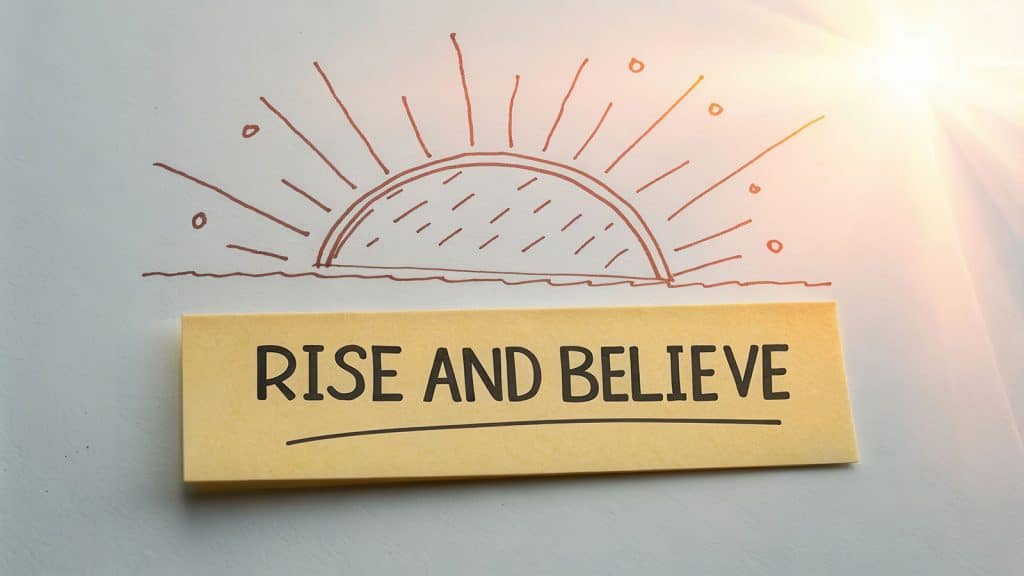
- Sticky Notes: Leave short, affirming words on a bathroom mirror, laptop, or steering wheel. A simple “I love you” or “You’ve got this” can brighten the toughest morning.
- Texts, Cards, or Letters: Written words can be deeply personal. Sending positive affirmations or words of encouragement shows lasting care and attention.
- Gratitude Lists: Share a few things you appreciate about your loved ones. It’s an easy way to express appreciation and reinforce connection.
- Spoken Praise: Saying “I’m proud of you” for hard work or perseverance builds confidence. It’s incredibly vital for healthy relationships.
These simple expressions of love can deepen emotional connection, strengthen relationships, and remind those around you that they matter, every single day.

Building Connection Through Words
Every relationship thrives on trust, and trust often begins with the language used.
Studies show that hearing affirming words activates dopamine and oxytocin. These are the same “feel-good” chemicals that help us bond and feel safe. In other words, heartfelt language doesn’t just lift the mood; it reshapes how we connect.
Across cultures, words carry the weight of destiny. In Greek mythology, Orpheus’s voice could move mountains, yet one moment of silence cost him the love he cherished most.
It’s a reminder that what we say — and what we leave unsaid — can change the course of a relationship.
Even simple phrases like “You mean a lot to me” or “I’m proud of you” can calm anxiety and build emotional resilience. For those who feel love through words, silence or criticism can create distance, while sincere encouragement draws people closer.
This truth goes beyond romance. Whether it’s family, friendship, or community, affirming words can rebuild trust, heal old wounds, and remind us that we matter to someone.
You can even see this in modern storytelling. In the film Her, a man falls in love with an AI purely through voice and conversation.
This is further proof that connection isn’t only physical but deeply rooted in words. When language becomes genuine, it bridges distance and keeps hearts close, even across worlds.
Common Mistakes When Sharing Words of Affirmation
Even though words of affirmation are powerful, not all words land as intended. Sometimes, it’s not what we say, but how or when we say it, that makes the difference.
Here are some common pitfalls to avoid:
- Lack of Authenticity: People can sense when praise feels forced or generic. Focus on genuine verbal expression that reflects real appreciation, not empty flattery.
- Ignoring Individual Needs: Not everyone values words the same way. If your partner’s love language is quality time or acts of service, constant verbal praise might feel less meaningful than showing up or lending a hand.
- Overusing or Repeating Phrases: Repetition without context can lose emotional impact. Instead of saying “I love you” out of habit, connect it to specific moments, such as “I love how patient you were today.”
- Public vs. Private Praise: Some people prefer to hear encouraging words in person or in private, while others appreciate them more when they’re shared on social media. Know your audience.
Being mindful about how you express love helps ensure your message is received with trust and warmth. The goal is to establish an emotional connection rooted in honesty, respect, and empathy.

When Words Don’t Feel Enough: Seeking Support
While words of affirmation can uplift and heal, some emotional wounds run deeper than what language alone can mend.
When self-doubt, anxiety, or substance use make it difficult to connect or trust others, professional support can help rebuild that foundation.
At Recreate Life Counseling, clients find care that goes beyond talk. We offer evidence-based treatments that address both mental health and addiction, integrating compassion, accountability, and emotional growth.
Here’s what clients can expect:
- Individual Therapy: One-on-one sessions using proven methods like Cognitive Behavioral Therapy (CBT) to improve self-esteem, manage triggers, and promote well-being.
- Outpatient Programs: Flexible treatment for those balancing recovery with daily life — providing structure, accountability, and community support.
- Family Therapy: Rebuilding trust and teaching healthier verbal expression among family members, helping everyone communicate with empathy.
- Couples Therapy: Strengthening relationships strained by addiction or emotional distance through open dialogue and validation.
According to Recreate Life Counseling’s client outcomes, participants often show marked improvement in emotional regulation, self-awareness, and relationship skills after completing these programs.
If affirmations don’t feel like enough right now, remember: you’re not alone.
Healing takes time, but with the right guidance, it’s always possible to recreate your life and rediscover connection, confidence, and hope.
Final Thoughts
Healing doesn’t always start with a breakthrough. Sometimes, it begins with a few honest words. Over time, those moments of honesty grow into courage, self-compassion, and connection.
At Recreate Life Counseling, that’s what recovery is about — learning to speak to yourself and others with understanding. Through personalized therapy, group support, and proven recovery programs, expert teams help you rebuild emotional strength.
If you’ve struggled to find the right words, or if life feels too heavy to carry alone, help is here. Reach out to Recreate Life Counseling today and take the first step toward a healthier, more connected version of yourself.
Written by: The Recreate Life Counseling Editorial Team
Published on: October 26, 2025
Updated on: October 26, 2025