
Anxiety disorders are the most common mental health condition in the U.S., affecting about 40 million adults each year, which is roughly 1 in 5 people. While occasional worry is normal, ongoing anxiety can disrupt work, relationships, and overall well-being.
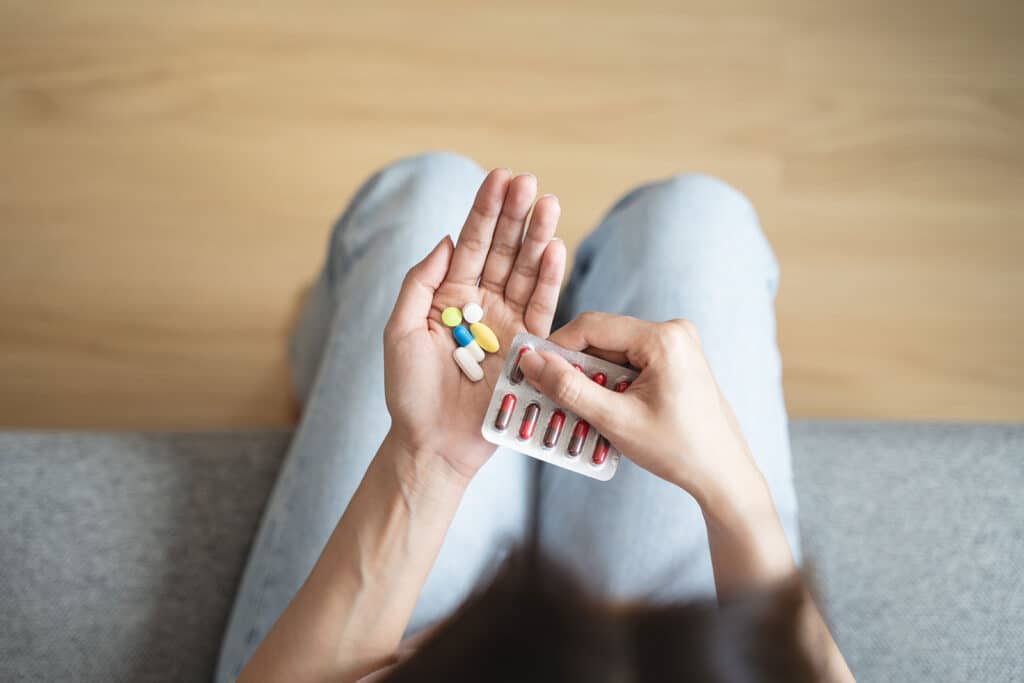
Many people find relief through therapy, lifestyle changes, and in some cases, medication. When prescribed and monitored by a qualified healthcare provider, the right anxiety medication can help balance brain chemistry, ease symptoms, and make therapy more effective.
In this article, we’ll look at the top 10 medications for anxiety, how they work, their common uses, and what to discuss with your healthcare team before starting treatment.
How Medications Help with Anxiety
Anxiety disorders can be linked to changes in brain chemistry, particularly involving neurotransmitters like serotonin, dopamine, and gamma-aminobutyric acid (GABA).
These chemical messengers influence mood, thought patterns, and the body’s stress response. When their levels are out of balance, feelings of worry, fear, and tension can intensify. Sometimes, this is to the point of interfering with daily life.
Anxiety medications work by helping restore that chemical balance.
- SSRIs and SNRIs increase the availability of serotonin (and sometimes norepinephrine) in the brain, improving mood and reducing excessive worry.
- Benzodiazepines boost the calming effects of GABA, helping to ease intense anxiety or panic attacks.
- Other medications, like beta-blockers or certain antihistamines, reduce the physical symptoms of anxiety such as rapid heartbeat, sweating, or shaking.
It’s important to understand that medication is not a cure for anxiety, but a tool. For many people, medication works best when combined with cognitive behavioral therapy (CBT), stress management techniques, and healthy lifestyle habits.
Some medications are intended for short-term relief, while others are designed for long-term maintenance. It’s a decision that should always be made with professional medical advice.
The Top 10 Medications for Anxiety
Anxiety disorders are highly treatable, yet according to the Anxiety & Depression Association of America, only about 37% of people living with anxiety receive treatment. Among those who do seek help, medication is often a central part of their treatment plan.
While there’s no single “best” anxiety medication for everyone, healthcare providers typically choose from a few well-researched options.
These medications have been studied extensively, approved by the FDA for certain anxiety disorders, and are often recommended alongside therapy for better results.
1. Sertraline (Zoloft)
A selective serotonin reuptake inhibitor (SSRI), sertraline is a first-line treatment for generalized anxiety disorder (GAD), panic disorder, and social anxiety disorder. It works by increasing levels of serotonin in the brain, which helps improve mood and reduce persistent worry.
Typical side effects: Nausea, diarrhea, dry mouth, fatigue, and sexual dysfunction.
Best for: Long-term management of chronic anxiety disorders.

2. Escitalopram (Lexapro)
Another popular SSRI, escitalopram, is often chosen for its generally mild side effect profile and strong evidence for treating GAD and panic disorder. Many patients tolerate it well, even at lower doses.
Typical side effects: Drowsiness, insomnia, weight gain, headache.
Best for: GAD, panic disorder, and long-term anxiety control.
3. Paroxetine (Paxil)
Paroxetine is an SSRI used for panic disorder, GAD, and social anxiety disorder. It can be highly effective, but some people experience more noticeable side effects compared to other SSRIs.
Typical side effects: Weight gain, fatigue, constipation, sexual dysfunction.
Best for: Severe anxiety symptoms that haven’t responded to other SSRIs.
4. Venlafaxine (Effexor XR)
A serotonin-norepinephrine reuptake inhibitor (SNRI), venlafaxine, is effective for GAD, panic disorder, and social anxiety disorder. It boosts both serotonin and norepinephrine levels, helping with mood, focus, and physical symptoms of anxiety.
Typical side effects: Nausea, dizziness, increased blood pressure, sweating.
Best for: Anxiety accompanied by fatigue or low mood.
5. Duloxetine (Cymbalta)
Another SNRI, duloxetine, treats anxiety as well as certain chronic pain conditions. It can be a good choice for people whose anxiety is tied to physical discomfort.
Typical side effects: Constipation, dry mouth, insomnia, drowsiness.
Best for: Anxiety with accompanying muscle tension or chronic pain.

6. Alprazolam (Xanax)
A benzodiazepine that works quickly to ease intense anxiety and panic attacks. Alprazolam enhances the effects of GABA, the brain’s main calming neurotransmitter. Because of the risk of dependence, it’s usually prescribed only for short-term use.
Typical side effects: Drowsiness, dizziness, memory problems, and dependence risk.
Best for: Short-term relief of severe anxiety or panic attacks.
7. Lorazepam (Ativan)
Another benzodiazepine, lorazepam, is often used for acute anxiety episodes, including panic attacks. It can be effective even in small doses but carries similar dependence risks as alprazolam.
Typical side effects: Sedation, confusion, dizziness, withdrawal symptoms.
Best for: Short-term, as-needed anxiety relief.
8. Buspirone (Buspar)
A non-benzodiazepine anti-anxiety medication that can be a good option for long-term use without the risk of dependence. It affects serotonin and dopamine activity but generally does not cause sedation.
Typical side effects: Dizziness, nausea, headache, restlessness.
Best for: GAD and long-term anxiety management without sedation.
9. Hydroxyzine (Vistaril)
An antihistamine that can also be prescribed for anxiety, especially when sedative effects are acceptable or even helpful. It’s sometimes used when other medications aren’t suitable.
Typical side effects: Drowsiness, dry mouth, blurred vision.
Best for: Situational anxiety or as a short-term, non-addictive option.
10. Propranolol
A beta-blocker primarily used for heart conditions and high blood pressure, propranolol can also help with performance anxiety. It works by blocking adrenaline’s effects, reducing symptoms like shaking hands and a racing heart.
Typical side effects: Fatigue, slow heart rate, dizziness.
Best for: Performance or situational anxiety, such as public speaking.

| Medication | Type | How fast it works | Habit-forming? | Best for |
|---|---|---|---|---|
| Escitalopram (Lexapro) | SSRI | Gradual, 4 to 6 weeks | No | Often a first choice; daily, well tolerated |
| Sertraline (Zoloft) | SSRI | Gradual, 4 to 6 weeks | No | Daily use; panic and social anxiety |
| Paroxetine (Paxil) | SSRI | Gradual, 4 to 6 weeks | No, but taper slowly | Daily use; can be harder to stop than other SSRIs |
| Venlafaxine (Effexor XR) | SNRI | Gradual, 4 to 6 weeks | No, but taper slowly | Anxiety paired with low energy or low mood |
| Duloxetine (Cymbalta) | SNRI | Gradual, 4 to 6 weeks | No | Anxiety alongside chronic pain |
| Buspirone (BuSpar) | Non-benzo anti-anxiety | Gradual, 2 to 4 weeks | No | Daily relief without sedation or dependence |
| Hydroxyzine (Vistaril) | Antihistamine | Fast, 30 to 60 min | No | As-needed calm; tends to cause drowsiness |
| Propranolol* | Beta-blocker | Fast, 1 to 2 hours | No | Physical symptoms like racing heart or shaking, e.g. before public speaking |
| Lorazepam (Ativan) | Benzodiazepine | Fast, 20 to 60 min | Yes, short-term use only | Brief, as-needed relief of acute anxiety or panic |
| Alprazolam (Xanax) | Benzodiazepine | Fast, within an hour | Yes, short-term use only | Brief use for severe anxiety or panic attacks |
*Propranolol is used off-label for anxiety. It’s FDA-approved for heart and blood pressure conditions. Every other medication here is FDA-approved for one or more anxiety disorders.
Risks and Side Effects
While anxiety medications can be life-changing for many people, they also come with important considerations.
Every person reacts differently, and what works well for one individual may cause side effects or be ineffective for another. That’s why any decision to start, change, or stop medication should always be made with medical advice from a qualified healthcare provider.
Side Effects
All medications have the potential for common side effects. Antidepressants such as SSRIs and SNRIs could increase drowsiness, dry mouth, constipation, weight gain, or sexual dysfunction.
Benzodiazepines may cause sedation, dizziness, and memory issues. Other medications, like beta-blockers, can lower blood pressure and slow heart rate.
Most side effects are mild and improve over time, but persistent or severe symptoms should be reported to your healthcare provider immediately.
Risk of Dependence
Certain medications, especially benzodiazepines like alprazolam (Xanax), lorazepam (Ativan), and diazepam (Valium), can cause dependence if used for long periods or at higher doses. This is why they are generally prescribed for short-term or as-needed use only.
Withdrawal Symptoms
Stopping some anxiety medications suddenly can trigger withdrawal symptoms such as rebound anxiety, insomnia, mood swings, or flu-like symptoms. Gradual tapering under medical supervision helps reduce these risks.
Drug Interactions
Anxiety medications may interact with other types of medication, supplements, or alcohol.
For example, mixing benzodiazepines with alcohol can dangerously slow breathing. Similarly, combining certain antidepressants with other serotonergic drugs can increase the risk of serotonin syndrome.
Individual Factors
A person’s overall mental health, physical health conditions, and history of depressive disorder or substance use can influence which medication is safest and most effective.
This is why medication decisions should be part of a larger treatment plan that may also include CBT, stress management, and lifestyle changes.

The Role of Therapy and Holistic Treatment
While medication can play an important role in reducing the symptoms of anxiety, it’s rarely the only answer.
Research consistently shows that a combined treatment plan leads to better and longer-lasting results. Blending medication with therapy, healthy lifestyle changes, and stress management techniques is the smarter approach.
Therapy as the Foundation
One of the most effective approaches for treating anxiety disorders is cognitive behavioral therapy (CBT).
This structured form of therapy helps people identify and challenge negative thought patterns, replace them with healthier ones, and gradually face anxiety triggers in a safe, controlled way.
For many, CBT provides lasting tools to manage anxiety even after medication is reduced or discontinued.
Lifestyle and Wellness Strategies
A holistic approach addresses both the mind and body. This may include:
- Regular exercise boosts mood-regulating neurotransmitters, such as serotonin and dopamine.
- Mindfulness practices such as meditation or yoga can calm the nervous system.
- Healthy sleep habits to prevent worsening anxiety symptoms.
- Balanced nutrition to support brain health and overall well-being.
The Value of Integrated Care
At a rehab facility like Recreate Life Counseling, treatment doesn’t stop with prescribing an anxiety medication.
Experienced clinicians work with each client to create a personalized care plan that addresses not just the type of anxiety they have, but also any co-occurring conditions such as depressive disorder or substance use.
This integrated care model means clients benefit from:
- Psychiatry and medication management.
- One-on-one therapy and group counseling.
- Education on coping skills and relapse prevention.
How Recreate Life Counseling Can Help
At Recreate Life Counseling, we understand that living with anxiety can feel overwhelming — especially when it starts to affect work, relationships, and your overall sense of well-being.
We also know that the right treatment plan is never one-size-fits-all. That’s why we take a personalized, compassionate approach to care.

Final Thoughts
Anxiety may be common, but that doesn’t mean you have to live with its constant weight. There are proven types of anxiety medication that can help restore balance and give you the breathing room you need to heal.
If anxiety is interfering with your daily life, don’t wait to seek help. Reach out to Recreate Life Counseling today to speak with a compassionate professional who can help you explore your options and start your journey toward lasting mental wellness.
Written by: The Recreate Life Counseling Editorial Team
Published on: August 30, 2025
Updated on: June 14, 2026