


The thing about suppressed emotions is that they don’t disappear just because we ignore them. They keep sitting beneath the surface and shaping our behavior.
For many people struggling with drug or alcohol use, suppressed emotions play a much bigger role than they realize. Over time, those unprocessed emotions will look for an outlet, and substances are usually the fastest way to numb or escape them.
That’s why it’s essential to understand suppressed emotions in addiction treatment and how to deal with them.
What Are Suppressed Emotions?
Suppressed emotions are feelings that were never fully acknowledged. Instead of being released, they’re pushed aside, whether consciously or automatically.
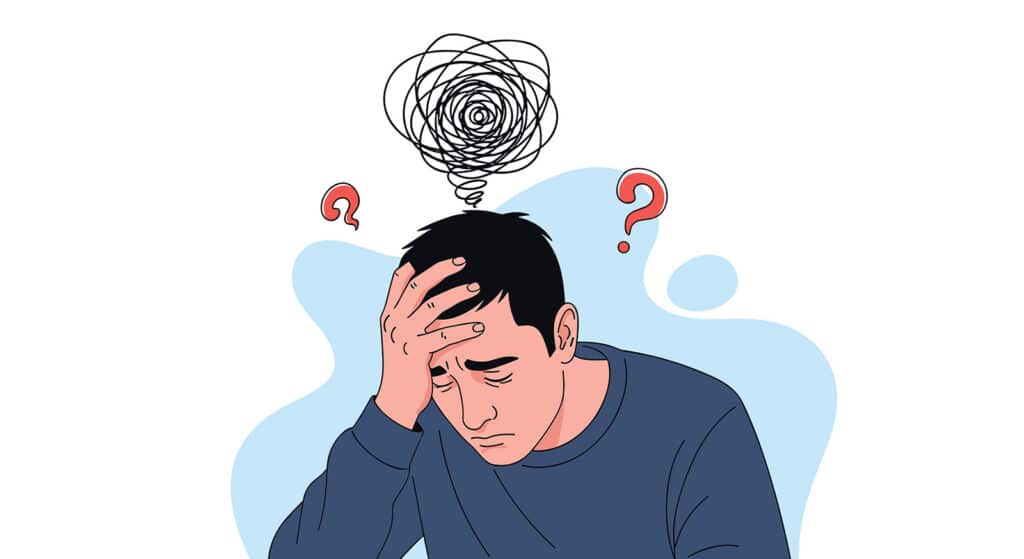
Those emotions may manifest in anger that wasn’t allowed, or grief that was rushed or ignored. In some cases, it’s fear that wasn’t expressed.
Suppression usually means that the emotion was too intense or inconvenient to express at the time, so it was pushed aside.
Over the years, pushing your emotions aside can become a habit, and they usually negatively affect your mental health and show up in other ways.
How Suppressed Emotions Show Up in Daily Life
Signs of suppressed emotions are easy to overlook, but they often interfere with daily life. Common effects of them include chronic stress or tension, feeling overwhelmed by small things, anxiety without a clear cause, and sudden anger.
Some people will also use substances to relax or feel normal, which is another sign of dealing with unresolved emotions. And the problem is, substances only offer temporary relief, and it’s often costly.
How Emotional Suppression Develops From Childhood
Many adults in addiction treatment can trace suppressed emotions back to their childhood. It doesn’t have to be an outright trauma like domestic abuse or witnessing a tough divorce. Sometimes, it’s subtle, and it’s not meant to develop into something harmful.
Here are some examples from childhood that increase the likelihood of emotional suppression:
- Being constantly told to stop crying
- Growing up around addiction or chaos
- Being praised for being strong or easy to deal with
- Learning that anger always causes conflict
- Having your emotions mocked
Does that mean any kid exposed to these practices will grow up to develop substance addiction?
Not at all. There isn’t a one-size-fits-all pattern to developing an addiction, and it sometimes occurs without any past triggers. However, exposure to drugs and learning to suppress emotions from a young age may increase the chances of addiction development.
When kids learn that emotions lead to rejection or punishment, they start adapting, and suppression develops into a protection strategy.
Unfortunately, it later develops into more harmful patterns.
The Connection Between Suppressed Emotions and Addiction
Many people turn to drugs or alcohol because they provide a feeling of relief. Alcohol can ease anxiety, and opioids numb pain. On top of that, stimulants can override sadness and exhaustion.
The truth is, these substances work at first, but then they turn into an addiction, and the list of side effects grows.
Over time, a pattern of substance use develops:
- An uncomfortable emotion rises
- Substance use follows and provides temporary relief
- The emotion returns stronger because it wasn’t dealt with correctly
- Dependence grows, and addiction develops
This cycle of substance use due to suppressed emotions is common for people who grew up in environments where their feelings weren’t welcome or safe. Additionally, people exposed to substances or drugs at a young age are more likely to develop such a pattern.
Why Suppressed Emotions May Make Recovery Harder
Getting sober eventually helps you release suppressed emotions, but it doesn’t happen right away. In fact, early recovery often makes repressed emotions louder.
When someone goes off the substances, the emotional numbness is the first thing that disappears. Feelings that were buried for years can suddenly surface, confusing and overwhelming.
Without the right support and medical supervision, this emotional flood can trigger relapse.
That’s why quality drug and alcohol rehab programs don’t focus only on stopping substance use. However, they help people learn how to feel again, safely and without judgment.
The Difference Between Emotional Avoidance and Emotional Regulation
Growing out of emotional avoidance involves learning how to regulate your emotions. You may think you’re dealing with an emotion correctly by distracting yourself or finding something else to do, but you’re actually feeding into the avoidance by not confronting the emotion.
Here’s what emotional avoidance looks like:
- Not allowing yourself to feel the emotion
- Numbing out and distracting yourself constantly
- Using substances to cope
- Shutting down emotionally
Since shutting down or using drugs aren’t the right coping strategies, you need to rewire your brain to correctly express emotions, even after traumatic experiences or long-term emotional repression.
Here’s what emotional regulation should look like:
- Recognizing the emotion and naming it
- Allowing it to exist
- Responding to it instead of reacting
- Letting it pass without trying to control it or shut it down
Addiction thrives on avoidance, so during recovery, patients will get the support they need to learn emotional regulation.
Though you may think emotional regulation is intuitive, it has to be learned and practiced.
Do Supressed Emotions Increase the Risk of Relapses?
Yes, suppressed emotions can significantly increase the risk of a relapse. In fact, unprocessed emotions are among the most common relapse triggers because feelings don’t fade when they stay buried. On the contrary, they build pressure.
In stressful situations, the body’s stress response kicks in faster than the mind can catch up, and the urge to escape becomes intense, hence the relapse risk.
That’s why emotional work isn’t a bonus in recovery, but it’s an essential part of staying sober long term.
How Suppressed Emotions Can Affect the Body
Over time, suppressed emotions can start to show up in physical symptoms rather than just living in the mind.
Many people in early recovery report symptoms like headaches, digestive issues, muscle tension, or constant fatigue.
Chronic emotional suppression can weaken the immune system, making it harder for the body to recover from both stress and substance use.
On top of that, long-term suppression has been linked to serious health problems, including increased risk of cardiovascular conditions and heart disease.
That’s why addiction treatment addresses the physical and emotional health, too, not just behavior.
How Drug and Alcohol Rehab Deals With Suppressed Emotions
Effective rehab programs will create a space for emotional healing for their patients. Addiction recovery isn’t only about detoxing, but it’s also about teaching the patients how to live without the substance later on.
This includes learning how to deal with their emotions without shutting them down.
To achieve that, patients need to identify their emotions and understand where they came from. Then, they’ll learn how to practice expressing feelings safely and build healthier coping strategies.
As emotional awareness improves, so does emotional well-being. Many people suffering from addiction will notice better sleep and improved focus after a short time into recovery.
Therapy Approaches That Support Emotional Release
Many addiction treatment centers use evidence-based therapy approaches that address emotional suppression without overwhelming the person.
Individual Therapy
One-on-one sessions allow people to explore emotions privately and at their own pace. Over time, patients will learn that feelings aren’t dangerous and don’t need to be numbed.
Group Therapy
Group settings are highly useful because they help normalize emotional expression. Sharing experiences improves social interactions and reminds people they’re not alone in what they feel.
Mindfulness Techniques
Practices like mindfulness help addiction patients notice emotions as they arise without reacting automatically. This skill is especially helpful when cravings or difficult feelings show up unexpectedly.
Learning How to Deal With Emotions Without Using
One of the biggest and most common fears in recovery is the idea of feeling everything without substances.
You may feel more at ease when you know that emotional healing doesn’t mean being overwhelmed all the time. It means learning how to respond differently when emotions surface. Over time, you’ll gain confidence in your ability to handle uncomfortable feelings without escaping them.
What Emotional Healing Can Do to Your Long-Term Health
When you finally address repressed emotions, the benefits are more than sobriety. You’ll have clearer thinking and fewer stress-related issues. In addition to that, you’ll be able to improve and maintain your relationships with those around you.
You’ll also reduce long-term strain on both your body and mind. When you reach that balance, you’ll notice an improvement in overall recovery and quality of life.
Recovery Is More Than Detoxing
Programs that focus only on stopping substance use often miss the mark because they don’t address the reason people use substances in the first place.
At Recreate Life Counseling, we offer all kinds of help and rehab options to those struggling with drug addiction and mental health conditions, including dual diagnosis cases. We address the reasons behind substance use and the emotional suppression that may trigger a relapse.
Our individual and group therapy options also support addiction patients until they can run their daily lives without help.
We’re only a phone call away
Written by: The Recreate Life Counseling Editorial Team
Published on: January 13, 2026
Updated on: January 13, 2026