
When words fall short, music often steps in. Whether it’s a melody that makes you cry, a beat that lifts your mood, or a lyric that hits too close to home. Music has a way of cutting through noise and getting to the heart of things.
That’s what makes it such a powerful tool in addiction recovery and mental health treatment. And here’s the best part: you don’t have to be musical to benefit. You just have to be human.
In this article, we’ll explore seven core types of music therapy and how they can help people on the path to recovery. Along the way, we’ll also highlight the benefits of music therapy, its clinical applications, and why more treatment centers are including it as part of their wellness programs.
What Is Music Therapy?
Music therapy is a clinical, research-backed approach that uses music to achieve therapeutic goals. It addresses emotional, psychological, physical, or social issues in an unintrusive manner.

Credentialed professionals facilitate these therapy sessions. They’re often board-certified music therapists who tailor each session to a person’s unique needs. The American Music Therapy Association (AMTA) sets national standards for training, ethics, and effectiveness in this growing field.
Some sessions involve listening quietly to a curated playlist. Others could include drumming, songwriting, or analyzing the lyrics of a favorite track. The method changes, but the aim stays the same: help people process what’s going on inside, and create healthier ways to cope with it.
Music therapy sessions work because they access parts of the brain and nervous system that talk therapy alone can’t always reach. Even post-surgical and brain injury patients can benefit from music therapy, as it decreases their anxiety levels to the point that it improves their recovery.
Sound affects mood, memory, and even the body’s stress response. A familiar song can bring someone back to a moment in their life, or help them imagine a future they want to build.
Who Can Benefit from Music Therapy?
The short answer is: just about anyone.
Music therapy has shown particular value for people in addiction recovery or dealing with mental health challenges.
That’s primarily because recovery is about more than abstaining. It’s about rebuilding emotional health, reclaiming identity, and learning to feel safe again.
Music therapy helps with:
- Substance use disorders (alcohol, opioids, stimulants, etc.)
- Co-occurring disorders like anxiety, PTSD, and depression
- Emotional regulation and trauma recovery
- Low self-worth, shame, or grief
- Difficulty with verbal expression or traditional talk therapy
It’s especially effective for people who struggle to put their experiences into words. Music gives form to feelings that might otherwise stay stuck.
Music therapy also meets people at all stages of life, from adolescents in early recovery to adults in long-term care.
Because it’s adaptable, it works across different cultural backgrounds, personalities, and learning styles. Whether someone is energized by making noise or soothed by stillness, there’s a form of music therapy that can support their healing and improve their quality of life..

Inpatient or Outpatient?
One of the best things about music therapy is its versatility. Whether someone is in a structured inpatient program or juggling real-life responsibilities in outpatient care, music therapy can be tailored to fit the setting and the person.
Inpatient (Residential) Programs:
In residential treatment, clients live on-site and follow a full daily schedule that includes individual therapy, group sessions, and holistic treatments like music therapy.
In this environment, music therapy becomes part of a carefully designed recovery journey. It may be used to:
- Process difficult emotions in a safe, supportive space
- Encourage self-expression when words feel overwhelming
- Foster group connection and shared healing through music-making
It’s especially effective in the early stages of recovery, when clients are beginning to detox, regulate emotions, and reconnect with their sense of self.
Outpatient Programs:
In outpatient care, clients attend treatment sessions during the day or evening but return home afterward. Music therapy in this setting can provide ongoing emotional support as individuals re-enter daily life. It helps clients:
- Stay grounded and present
- Build positive coping mechanisms for cravings and triggers
- Process weekly stressors in creative, non-verbal ways
Discover 7 Types of Healing by Music Therapy
Depending on a person’s needs, preferences, and stage in recovery, therapists use different techniques to unlock emotions, encourage reflection, or spark joy and motivation.

Below are seven evidence-based types of music therapy commonly used in addiction treatment and mental health care.
1. Guided Imagery and Music (GIM)
Guided Imagery and Music, or GIM, is one of the most immersive and introspective forms of music therapy. Developed by music therapist Helen Bonny, this method uses carefully selected classical or instrumental music to lead clients on an inward journey.
Here’s how it works: the client lies down or sits comfortably while a therapist plays a curated piece of music. With eyes closed, the client is gently guided through their thoughts, sensations, and inner imagery. It’s like a musical meditation, only deeper.
As images, feelings, or memories arise, the therapist helps the client explore them with compassion and curiosity.
Used for:
- Deep emotional processing
- Exploring trauma and subconscious material
- Enhancing self-awareness
Why it works in recovery:
Addiction often disconnects people from their inner world. GIM creates a safe space to reconnect with buried emotions, forgotten memories, and often, the self beneath the pain.
It’s especially powerful for clients who are ready to do deeper healing work but may not yet have the words for their experiences.
2. Improvisational Music Therapy
Improvisational music therapy is all about creating music in the moment. Clients use instruments like drums, maracas, piano, or even their voice, to express whatever they’re feeling without the pressure of performance.
The therapist may join in or simply guide the process and reflect on what the music might be saying.
Improvisation gives form to feelings that are hard to articulate, such as grief, anger, hope, and confusion. There are no wrong notes here, only honest ones.
Used for:
- Encouraging self-expression
- Releasing blocked or repressed emotions
- Building spontaneity, trust, and confidence
Why it works in recovery:
Addiction often involves hiding behind substances, shame, or silence. Improvisation invites clients to show up, sound out, and be seen—messy emotions and all. It’s playful, freeing, and deeply validating.
3. Lyric Analysis
In lyric analysis, clients listen to songs and talk about the lyrics: what they mean, how they resonate, and how they relate to the client’s own story. A therapist might bring in songs tied to recovery themes, or clients might choose music that feels personal to them.
Discussing lyrics allows people to engage with their emotions indirectly, which can feel safer, especially for those who struggle to open up.
Used for:
- Building emotional insight
- Exploring personal identity and values
- Improving communication skills
Why it works in recovery:
Sometimes, hearing someone else say it first helps us say it too. A lyric might echo a client’s pain, speak to their past, or remind them of their resilience. It becomes a bridge between silence and self-awareness.
4. Songwriting
Songwriting gives clients the opportunity to write lyrics—and often music—that reflects their thoughts, feelings, or journey. This could be an original song, a rewrite of an existing one, or a collaborative project with the therapist or group.
It’s not about crafting a chart-topper. It’s about giving voice to emotions, reframing painful experiences, and telling your truth.
Used for:
- Processing trauma and grief
- Exploring identity and self-worth
- Creating meaning from recovery experiences
Why it works in recovery:
Writing songs helps turn chaos into coherence. It allows people to reclaim their narrative, not just as survivors, but as artists of their own lives. And when shared in a group setting, it can be incredibly empowering and connective.

5. Receptive Music Therapy
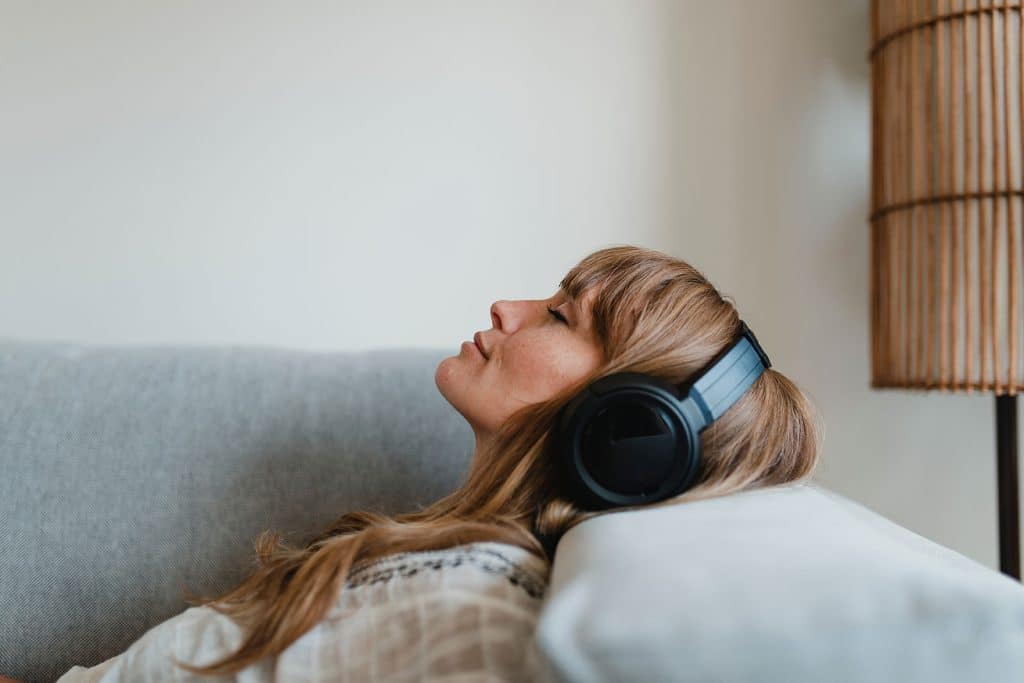
In receptive music therapy, clients listen to music, live or recorded, in a focused, intentional way. The therapist may guide the listening experience with questions or allow it to unfold naturally.
Unlike Guided Imagery and Music (GIM), this approach doesn’t involve visualizing specific imagery. It’s more about mood, emotion, and presence. It can be quiet, grounding, and deeply restorative.
Used for:
- Stress reduction
- Regulating emotion and energy
- Creating space for calm reflection
Why it works in recovery:
Early recovery can feel like emotional whiplash. Receptive listening slows things down. It can soothe anxiety, ease agitation, or simply offer a moment of beauty in a day that feels hard. Sometimes healing starts by just being still and letting the music hold you.
6. Active Music-Making
This modality invites clients to engage actively with music through singing, drumming, clapping, dancing, or playing instruments. It’s often done in a group and may include structured exercises or open jamming.
Active music-making is energizing and social. It breaks through isolation, gets people moving, and creates a sense of shared rhythm and purpose.
Used for:
- Boosting mood and motivation
- Promoting teamwork and connection
- Encouraging physical and emotional release
Why it works in recovery:
Addiction isolates. Music brings people together. Making music in a group can rebuild trust, create joy, and remind clients that recovery doesn’t have to be lonely or quiet. Everyone has a part to play.
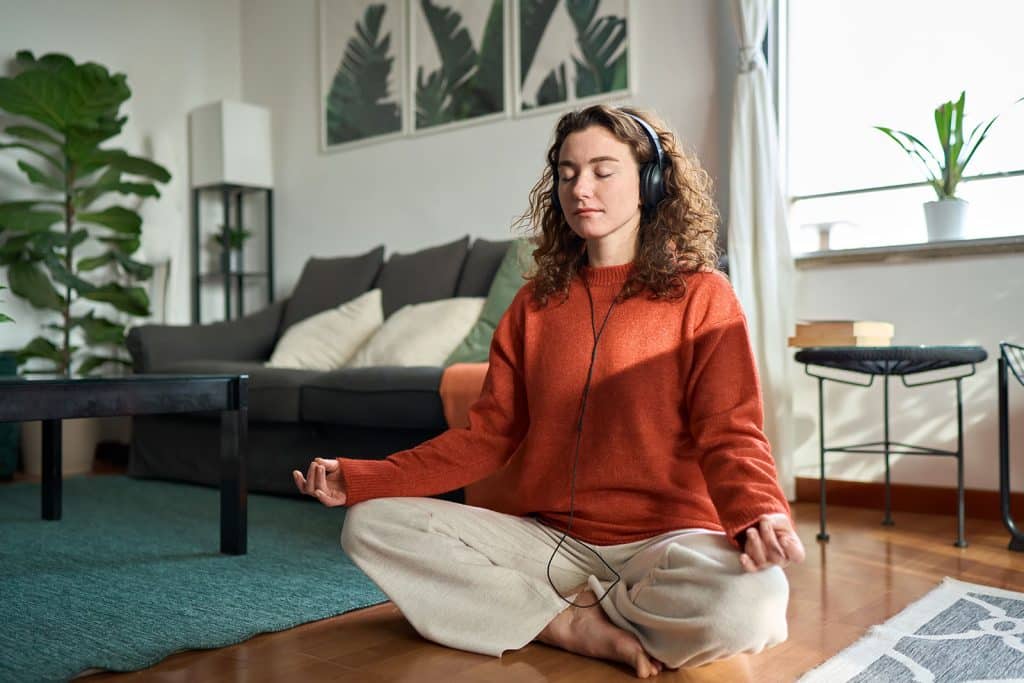
7. Music-Assisted Relaxation and Meditation
This approach blends calming music with relaxation techniques like deep breathing, mindfulness, or guided meditation. Sessions may be individualized or group-based, with the therapist curating music that supports nervous system regulation.
It’s simple, but powerful, especially in moments of high stress or emotional overwhelm.
Used for:
- Managing cravings
- Reducing anxiety or panic
- Supporting sleep and grounding
Why it works in recovery:
Addiction wires the body for extremes like hypervigilance or numbness. Music-assisted relaxation helps reset the nervous system. It creates internal stillness, which is essential for making clear, healthy choices and simply feeling okay in one’s own skin.
Final Thoughts
Music offers something rare and vital: emotional honesty without judgment.
At Recreate Life Counseling, we believe that the road to recovery should include tools that are not only effective but deeply human. Music therapy is one of those tools. It reminds our clients that even in the hardest moments, their life still has rhythm, melody, and meaning.
Written by: The Recreate Life Counseling Editorial Team
Published on: July 31, 2025
Updated on: March 1, 2026