

Starting a drug detox is about rebuilding your body from the inside out. What you eat during this time can make a huge difference in how you feel.
A healthy diet can ease withdrawal symptoms and support your liver. More importantly, the right detox food will provide your body with the nutrients it needs to heal, like vitamin A, vitamin C, etc.
From improving hydration to supporting your immune system, the health benefits of a balanced diet are undeniable. In this guide, we’ll walk you through what your body needs most while detoxing.
List of Foods to Eat While Detoxing
During the detoxification process, the goal is to minimize the physical harm that results from drug abuse. That’s why the patient goes through a set of interventions to manage withdrawal symptoms and get off the drug gradually.
According to your condition, you can encounter some side effects during detox, like mood swings and agitation. Your healthcare advisor will help you get through it with the necessary supplements, but a healthy diet still plays a role.
Eating the right foods can help a lot with these side effects. Here’s a list of foods to eat while detoxing to make the process go smoother.
Protein Sources
The importance of protein in your diet is non-negotiable, especially while detoxing. Protein supports liver function, maintains and grows muscle mass, and helps repair tissues. On top of that, the amino acids in it promote brain health and regulate your mood, both of which are often affected during withdrawal.
You can get protein from plenty of food, both animal and plant-based.
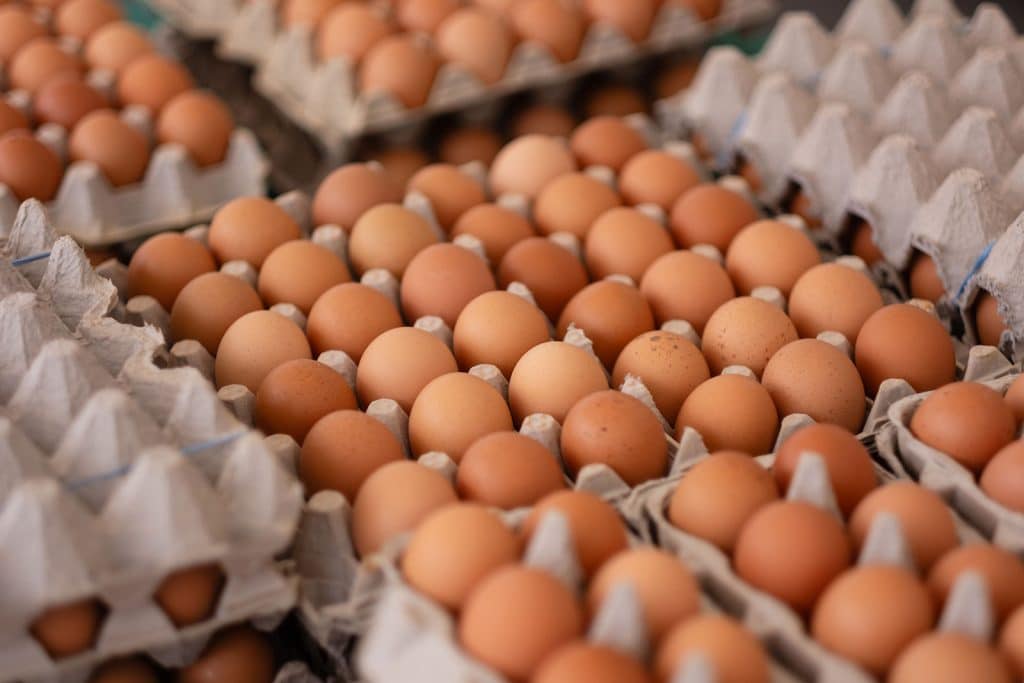
Here’s where you can give your body complete protein:
- Eggs
- They provide all the essential amino acids, and they’re easy sources of protein.
- Plant Seeds
- Hemp seeds and quinoa are both sources of complete protein. They’re great options for vegan and vegetarian diets.
- Fish
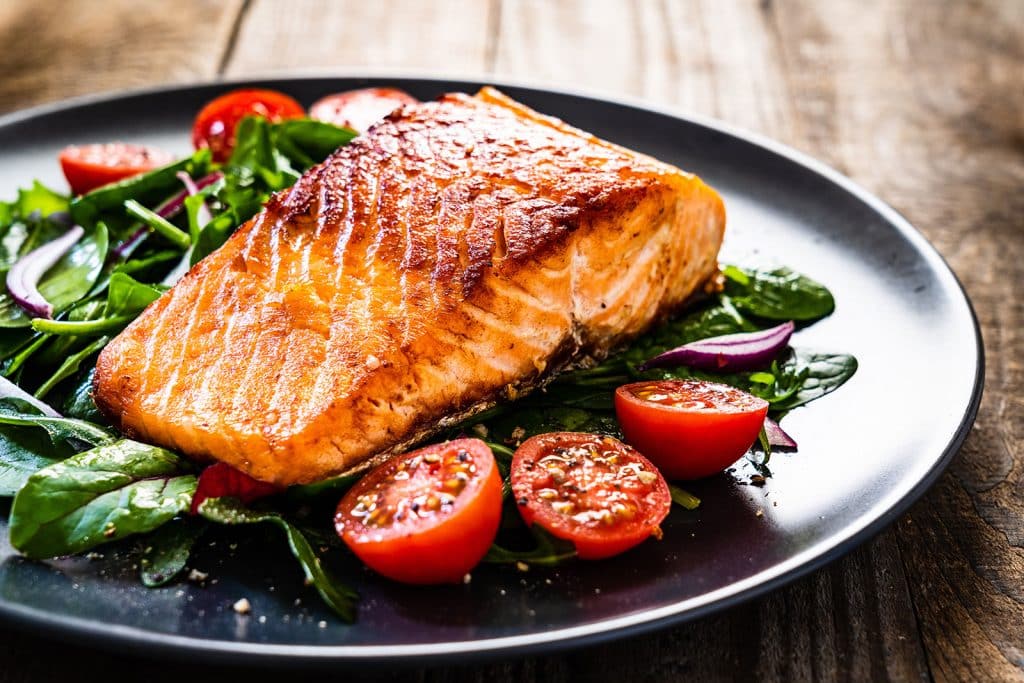
- A lot of wild-caught fish are complete protein sources, including mackerel, salmon, and sardines. They also have high contents of omega-3 fatty acids, which promote brain health.
- Poultry
- Chicken is one of the best sources of complete protein, along with turkey. They also offer B vitamins that promote nervous system function.
Along with these sources of complete protein, there are other foods you can use to get amino acids in your system.
For example, almonds and avocados are rich in tyrosine, which can help increase motivation and affect the body similarly to dopamine. Additionally, pumpkin seeds contain tryptophan, which creates an effect similar to that of serotonin, regulating your mood and possibly reducing anxiety.
Foods Rich in Carbs
Carbs are often the first thing to go during weight loss diets, but during detoxing, they’re essential to prevent cravings and unnecessary mood swings. Thankfully, there are plenty of healthy carbs that you can add to your diet while detoxing without gaining much weight.
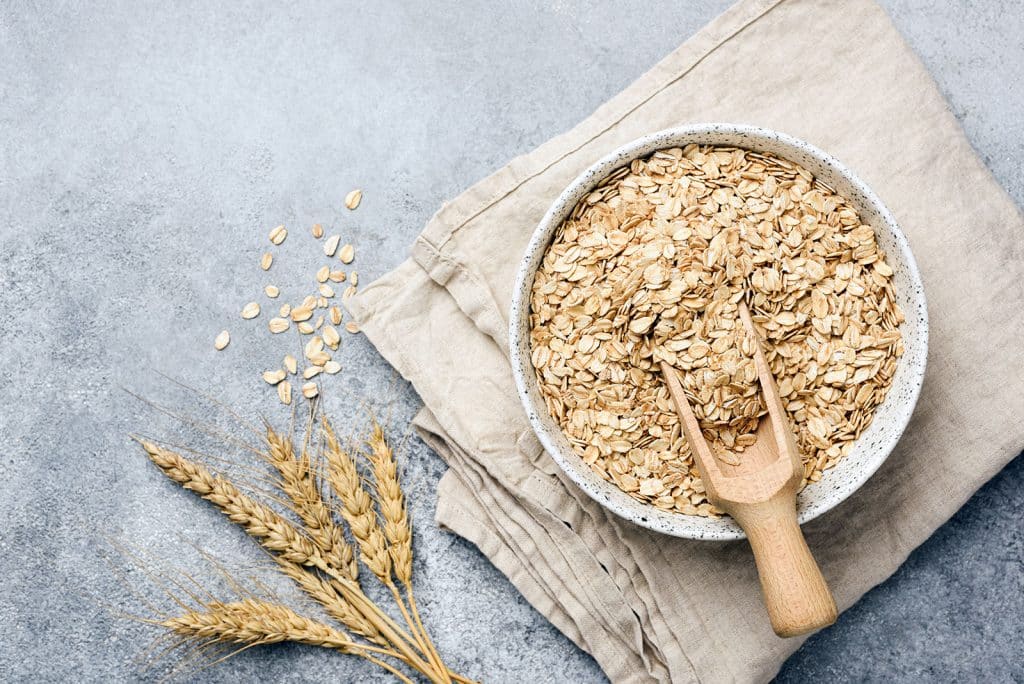
Here’s a list of whole grains that can provide your body with enough carbs for the day:
- Quinoa
- Quinoa isn’t only a complete protein source, but it also provides complex carbs.
- Oats
- Oats are highly nutritious, making them an ideal food choice while detoxing. They’re high in B vitamins and beta-glucan fiber, supporting digestive health.
- Brown Rice
- Excellent for digestive health because it’s rich in fiber and B vitamins.
Since your diet can’t consist entirely of whole grains, you should also add fiber-rich vegetables to your diet. Some leafy greens like arugula and spinach are rich in iron and folate, supporting blood health.
Other veggies like Brussels sprouts and broccoli can promote liver detoxification, making them perfect matches for your detox diet.
Other options that may be good for you are carrots, beets, and sweet potatoes. They’re all healthy sources of carbs, and they pack plenty of antioxidants that can prevent cellular damage.
Fats, But Healthy
Healthy fats are absolutely essential to incorporate into your detox diet because they can promote neurological recovery and hormonal balance.
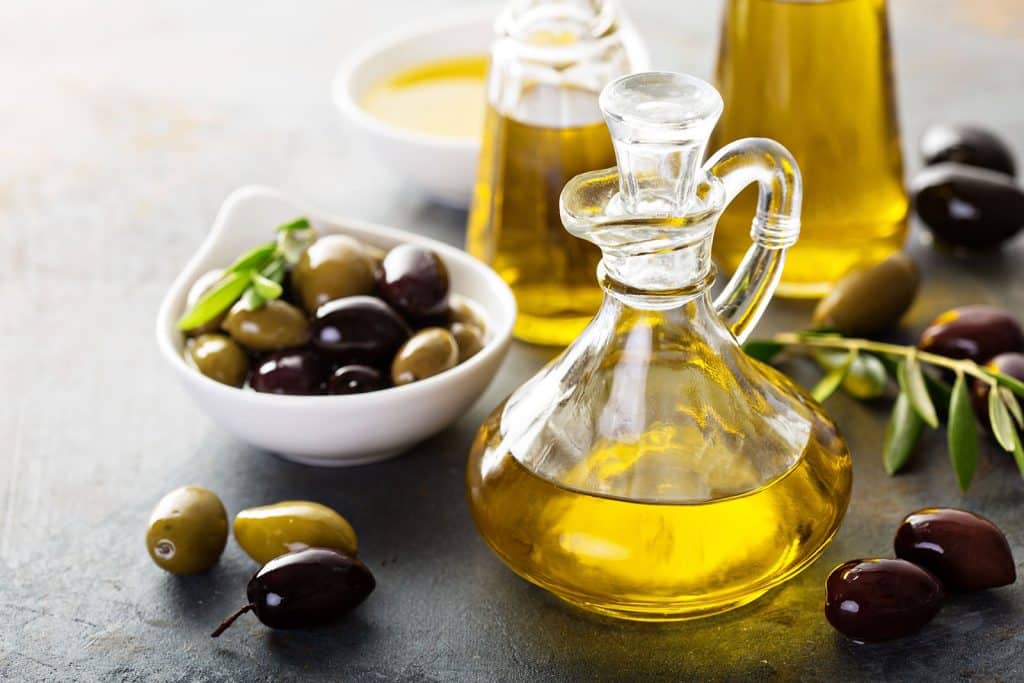
One form of healthy fats is monounsaturated fats, which can lower LDL cholesterol levels and regulate your hormones. Here are some good sources of monounsaturated fats:
- Olive Oil
- Known for its anti-inflammatory properties, olive oil is the best alternative to butter and vegetable oil during the detox phase.
- Avocados
- No detox diet should lack avocados. They’re high in potassium, protein, glutathione, and oleic acid, giving them incredible antioxidant properties.
- Seeds
- Pumpkin and sunflower seeds are rich in healthy fats and other minerals that will support your body through detox.
Another form of healthy fats is omega-3 fatty acids, which are also present in a whole lot of foods:
- Seeds
- Chia seeds and flaxseeds are high in omega-3s, promoting hormonal balance. They’re also rich in fiber, so they help you avoid overeating.
- Fish
- Some fish are very high in omega-3s, including salmon, herring, sardines, oysters, and trout. These fish provide your body with both EPA and DHA, supporting brain health.
- Walnuts
- Rich in vitamin E and ALA, promoting brain health and preventing cellular damage.
List of Foods to Help With Withdrawal Symptoms
During the detox phase, your body will be going through changes as you try to adapt without the drug. Naturally, you’ll encounter some withdrawal symptoms, and while your medical supervisors will help you pass through them, some foods can also help:
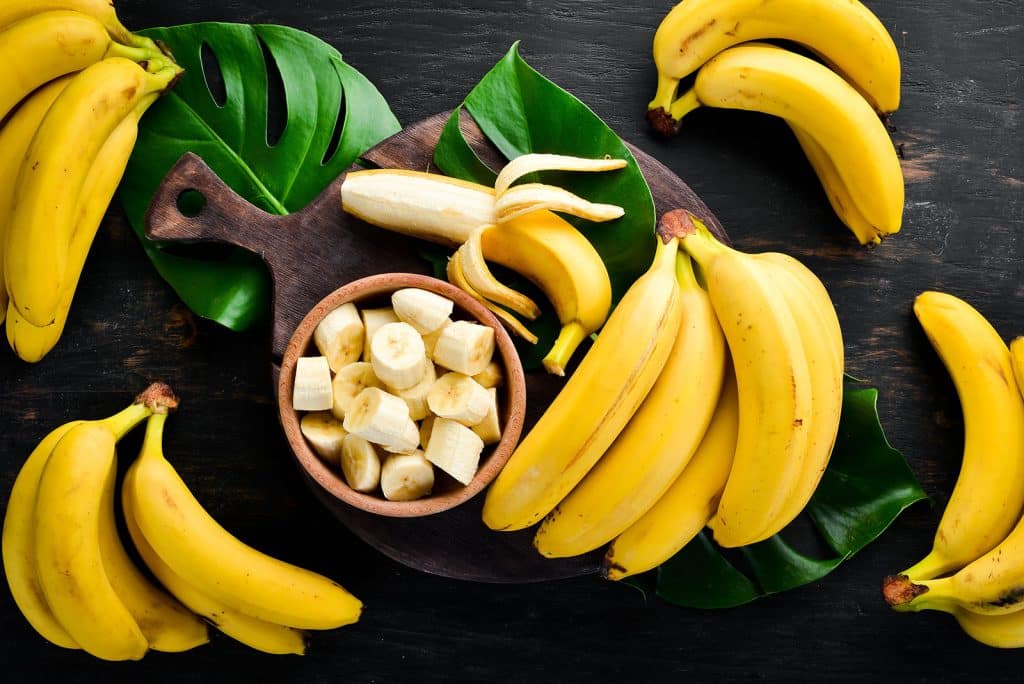
- Bananas: Rich in potassium, bananas are easily digestible, so they help settle the stomach and reduce digestive issues.
- Ginger: Helps a lot with reducing nausea and easing digestive symptoms.
- Yogurt: If it contains probiotics, yogurt can help improve your mood and ease your digestive irregularities.
- Dark chocolate: It can help calm the nervous system and provide a boost of dopamine.
- Chamomile Tea: May help promote a feeling of calmness.
- Beef: helps fight fatigue that results from iron deficiency, which is common during detox and withdrawal.
- Leafy greens: Support energy metabolism to help you fight low energy levels and fatigue during detox.
Why Should You Eat Specific Foods During Detox?
During detox, your liver is working twice as hard to process the toxins in your body and release them. That’s why it’s essential to prioritize liver function and consume the nutrients necessary for the process.
The first phase of detoxification involves converting the toxins into intermediate compounds. During this phase, the liver needs support from vitamins B and C to complete the conversion.
After that, it’s time for the liver to neutralize the toxins to get them ready for complete elimination. That’s when it’s essential to consume sulfur-containing amino acids to help with the neutralization.
The 3 Essential Nutrients for the Detox Phase
Drug abuse disorders can have a significant effect on brain chemistry. Neurotransmitters like serotonin and dopamine are often affected, and it takes some time to restore their function normally.
Thankfully, some nutrients naturally help the brain restore its neurotransmitter functions, and they should make a good part of your diet while detoxing. Here are the three essential ones:
- Omega-3 Fatty Acids: They play a huge part in supporting neurotransmitter connections, and they support the brain membrane health.
- Amino Acids: They’re the building blocks of neurotransmitters, and they directly affect the brain chemistry and reverse the effects of addiction.
- B-Complex Vitamins: They’re essential for nerve function, and they support neurotransmitter synthesis.
List of Foods You Should Avoid During Detox
While there are plenty of foods that you should add to your regimen while detoxing, there are loads of other foods you should stay away from. Some foods may irritate your digestive system or increase inflammation, which may hinder the detoxing process.
Here are the foods you should avoid while detoxing:
Processed Food and Additives
Processed food contains trans fats, which increase inflammation and may hinder the process of restoring your brain function. On top of that, some additives like artificial colors or preservatives may put unnecessary stress on the liver, which is already working hard to eliminate toxins from your body.
It’d be better to avoid both types of food during your detox phase.
Excessive Sugar and Refined Carbs
Foods with excessive amounts of sugar, like candy and chocolate, can trigger cravings because of their added sugars. On top of that, the artificial sweeteners in these foods may disrupt the healthy bacteria in your gut, causing digestive issues and creating potential trigger cravings.
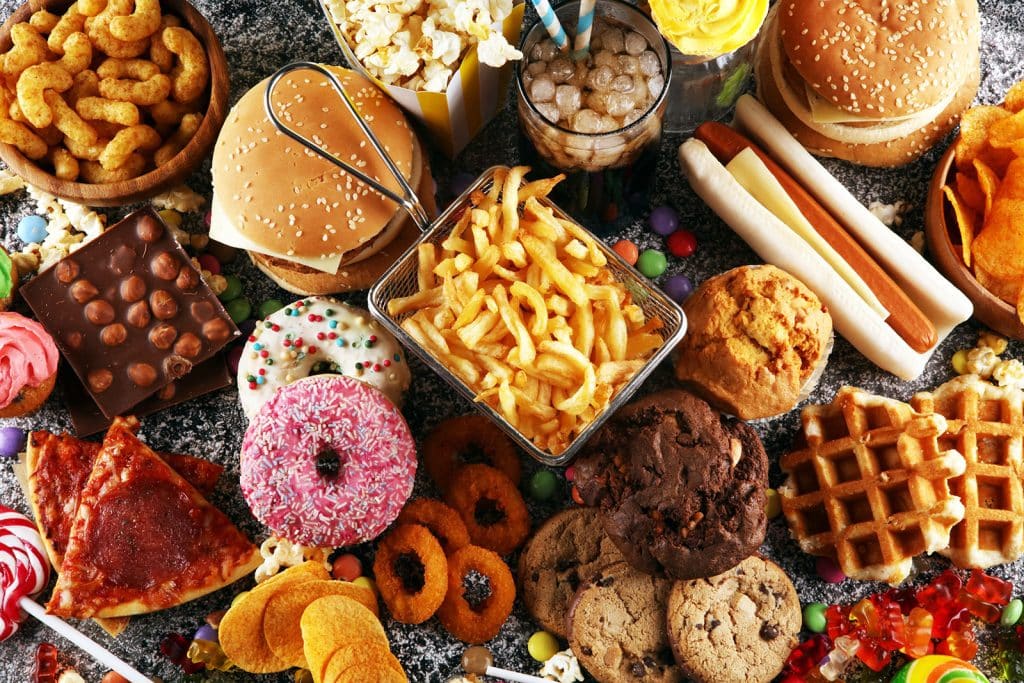
Likewise, refined carbs like pasta and white bread will cause a rapid increase in blood sugar, followed by a crash.
It’s better to avoid or reduce these foods during your detox phase. Try to replace them with healthier alternatives like whole grains.
Too Much Caffeine
Consuming too much caffeine during detoxing can lead to an increase in anxiety because it raises your heart rate. On top of that, it may disrupt your sleep, which is essential in your healing phase.
It’s okay to consume caffeine daily, and it’s even encouraged for heart health, but it’s better to limit it to one cup in the morning so that your body has enough time to metabolize it before sleeping.
Final Thoughts
Whether you’re reaching for protein to rebuild tissues or choosing carbohydrates to regulate your mood, each dietary choice you make plays a role in helping your body reset. Understanding what to eat and what to avoid can make all the difference during the detox phase.
Written by: The Recreate Life Counseling Editorial Team
Published on: July 31, 2025
Updated on: November 23, 2025