
Antidepressants have helped millions of people manage mental health conditions such as depression, anxiety, and mood disorders. Actually, in the United States, about 13% of adults report taking these medications.
While antidepressants work well when taken as prescribed, taking too many can be dangerous, and even life‑threatening. In 2022, more than 5,000 deaths involved antidepressants, a figure nearly on par with fatal overdoses involving heroin.
With such substantial usage and risks, understanding the signs, symptoms, and urgent actions related to antidepressant overdose can be lifesaving.

What Are Antidepressants and How Do They Work?
Antidepressants are prescription medications designed to help manage mental health conditions such as depression, anxiety, and other mood disorders.
They work by adjusting the balance of neurotransmitters, which are chemical messengers in the brain that influence mood, energy, and emotional well-being.
Different classes of antidepressants work in unique ways to rebalance brain chemicals and improve mood.
- SSRIs (selective serotonin reuptake inhibitors): Medications like Prozac (fluoxetine), Zoloft (sertraline), and Lexapro (escitalopram) increase serotonin levels by preventing the brain from reabsorbing it too quickly. More serotonin in the brain often means better mood stability and reduced anxiety.
- SNRIs (serotonin-norepinephrine reuptake inhibitors): Drugs such as Effexor (venlafaxine) and Cymbalta (duloxetine) boost both serotonin and norepinephrine. This dual action can help with depression, anxiety, and even some types of chronic pain.
- TCAs (tricyclic antidepressants): These older medications, like amitriptyline and imipramine, affect several neurotransmitters at once. While they can be very effective, they tend to cause more side effects, so they’re often prescribed when newer drugs aren’t successful.
- MAOIs (monoamine oxidase inhibitors): Less common today, MAOIs like phenelzine work by blocking the enzyme that breaks down serotonin, norepinephrine, and dopamine. Because they can dangerously interact with certain foods and medications, they require strict dietary and prescribing precautions.
- Atypical antidepressants: These don’t fit neatly into the above categories. Wellbutrin (bupropion), for example, affects dopamine and norepinephrine rather than serotonin. This unique mechanism may result in fewer sexual side effects and less weight gain for some patients.
When taken as prescribed and monitored by a healthcare provider, these medications can be highly effective. But, because they directly impact brain chemistry, taking too many can lead to toxicity and dangerous health complications.
How Can Someone Take Too Many Antidepressants?
An antidepressant overdose can happen to anyone, not just those misusing medication.
Common scenarios include:
- Accidental Overdose: Missing a dose and then doubling up, mixing medications without realizing the interaction, or misunderstanding prescribing instructions from a healthcare provider.
- Drug Interactions: Combining antidepressants with alcohol, illicit drugs, or certain supplements can amplify their effects and increase toxicity risk.
- Intentional Overdose: Sadly, some overdoses occur in the context of self-harm or suicidal thoughts, often during a mental health crisis.
- Medical Risk Factors: Certain health conditions, such as high blood pressure, liver and kidney problems, or very low body weight, can make even slightly higher doses hazardous.
No matter the cause, taking more than the prescribed amount can push the body into dangerous territory, sometimes within hours. Knowing the early signs of overdose can make the difference between recovery and a life‑threatening situation.
What Are the Symptoms of an Antidepressant Overdose?
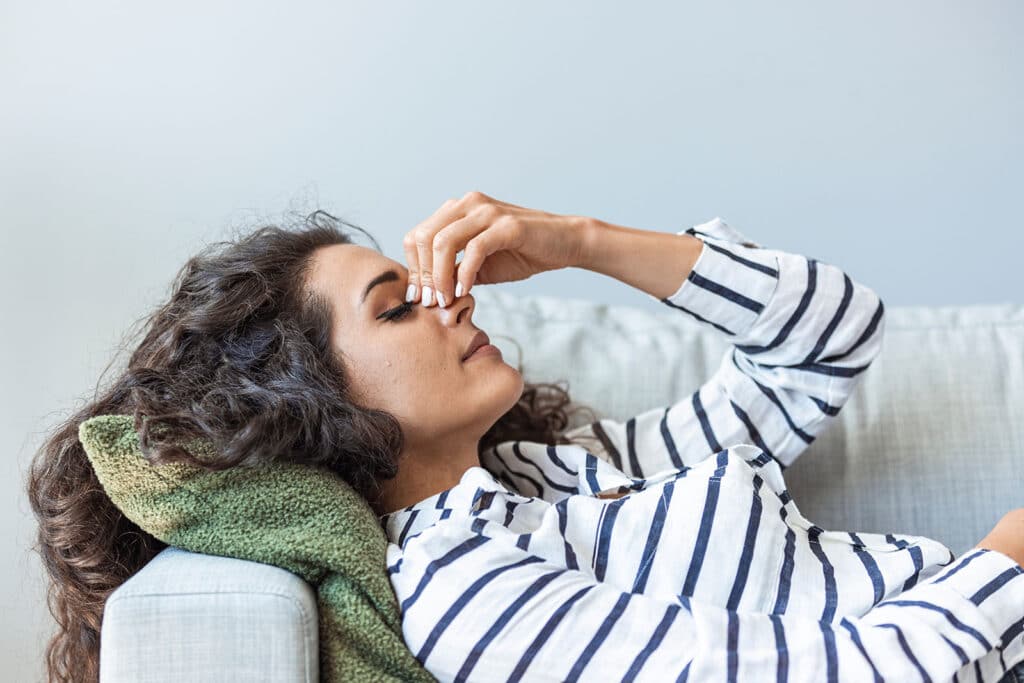
The signs of an antidepressant overdose can vary depending on the type of antidepressant and the amount taken, but they often develop quickly.
Mild to Moderate Symptoms
- Drowsiness or extreme fatigue
- Nausea, vomiting, or stomach upset
- Confusion, disorientation, or restlessness
- Sweating, headache, or tremors
Severe Symptoms
- Irregular or rapid heart rate
- Seizures
- Hallucinations or severe agitation
- Extremely high blood pressure or low blood pressure
- Loss of consciousness
Serotonin Syndrome
This is a potentially life‑threatening reaction caused by dangerously high serotonin levels. Symptoms include:
- High fever
- Muscle stiffness or twitching
- Shivering or goosebumps
- Severe confusion
These warning signs should never be ignored. Severe symptoms can escalate within minutes to hours, making immediate medical attention critical.

Is Taking Too Many Antidepressants Life‑Threatening?
When too much of an antidepressant enters the body, it disrupts the delicate balance of brain chemicals, particularly serotonin, norepinephrine, and dopamine. This chemical surge or crash doesn’t just affect mood; it can actually throw multiple body systems into crisis.
Here’s how each is impacted during an antidepressant overdose.
The Nervous System
The brain relies on a precise balance of neurotransmitters to regulate thought, movement, and reflexes. When antidepressants flood the system, this balance is lost.
In mild cases, a person might feel restless, anxious, or unusually agitated. In more severe cases, the nervous system becomes overstimulated, leading to seizures, uncontrolled muscle twitching, and even hallucinations.
If the chemical disruption is extreme, brain activity can slow to the point where the person becomes unresponsive or slips into a coma.
The Heart and Circulatory System
Antidepressants influence the heart’s electrical signaling, and an overdose can cause that system to misfire. The heart may beat irregularly or much faster than normal, straining the circulatory system.
At the same time, blood pressure can rise or fall dramatically, reducing oxygen flow to the brain and vital organs.
This is particularly dangerous with tricyclic antidepressants (TCAs) and monoamine oxidase inhibitors (MAOIs), which are more likely to cause fatal heart complications even at lower overdose amounts.
Blood Pressure Regulation
The body works constantly to keep blood pressure within a safe range, but an overdose can throw that stability into chaos. Sharp spikes in blood pressure increase the risk of stroke or heart attack, while sudden drops can cause dizziness, fainting, or collapse.
In severe cases, low blood pressure can leave the brain and other organs without enough oxygen to function, quickly leading to organ damage.
Body Temperature Control
The hypothalamus in the brain controls body temperature, but during an overdose, that control can break down. In some cases, this results in hyperthermia, which is basically dangerous overheating, often linked to serotonin syndrome.
The person may sweat excessively, experience muscle stiffness, or shiver uncontrollably. If not corrected, extreme body temperatures can damage the brain, heart, and muscles in a matter of hours.
The Liver and Kidneys
The liver and kidneys serve as the body’s natural detox system, breaking down medications and removing waste. In an overdose, these organs can be overwhelmed. The liver may fail to process the excess medication, allowing drug levels in the bloodstream to rise dangerously.
The kidneys may also struggle to filter out toxins, prolonging the effects of the overdose and increasing the risk of long‑term damage. When these organs cannot keep up, the entire body suffers the consequences.
An antidepressant overdose is not just about taking too much medication. It’s a full‑scale disruption of the body’s essential systems. Without rapid medical attention, these cascading failures can quickly become life‑threatening.

What to Do If You Suspect an Antidepressant Overdose?
An antidepressant overdose is a medical emergency. If you suspect that you or a loved one has taken too much, act immediately; waiting to “see if it gets better” can be dangerous. Call 911 or your local emergency number right away.
If you’re in the United States, you can also contact the Poison Help line at 1‑800‑222‑1222 for guidance while emergency services are on the way.
While waiting for help, try to keep the person awake and responsive. If they’re conscious, ask them what medication they took, how much, and when. It can help healthcare professionals provide faster, more targeted treatment.
If they lose consciousness, stop breathing, or have a seizure, begin CPR if you are trained, and follow the instructions of the emergency dispatcher.
Do not try to make the person vomit unless specifically instructed by medical personnel. In some cases, doctors may use activated charcoal in the hospital to help absorb remaining medication from the stomach, but this should only be done under medical supervision.
If possible, take the medication container to the hospital with you. It will help the emergency team identify the type of antidepressant involved and choose the right treatment options quickly.
How Can You Prevent an Antidepressant Overdose?
Preventing an overdose starts with safe medication habits and awareness:
- Follow your prescription exactly, and never change your dose without medical advice.
- Avoid risky combinations with alcohol, illicit drugs, or unapproved supplements.
- Store medications securely and out of reach of children or vulnerable individuals.
- Track your doses to prevent accidental double‑dosing.
- Watch for warning signs of worsening depression or self-harm in yourself or a loved one.
- Seek medical guidance if side effects become severe or unusual.

How Can Counseling Help With Recovery?
Recreate Life Counseling provides compassionate, professional care for those recovering from an antidepressant overdose or living with mental health conditions.
Their services include medical detox to safely clear the body, individual and group therapy, and personalized treatment plans that address each client’s specific situation.
They also offer dual‑diagnosis care for people facing both substance use and mood disorders, ensuring that underlying issues are not overlooked. Beyond crisis recovery, their programs emphasize relapse prevention, healthy coping strategies, and ongoing emotional support.
With a dedicated team of healthcare professionals, Recreate Life Counseling helps clients rebuild stability, improve mental health, and regain control of their lives with renewed confidence and hope.
Final Thoughts
An antidepressant overdose can be life‑threatening, but fast action and proper treatment can make all the difference. Recognizing the symptoms early, calling for help, and seeking professional care are essential steps in protecting yourself or a loved one.
Facilities like Recreate Life Counseling not only guide people through immediate recovery but also help them rebuild healthier lives, manage their mental health long‑term, and regain hope for the future.
With the right treatment and ongoing support, recovery isn’t just possible. It’s within easy reach.
Written by: The Recreate Life Counseling Editorial Team
Published on: August 30, 2025
Updated on: March 1, 2026