
Living with depression is exhausting, especially when medications and therapy aren’t working.
For many people with treatment-resistant depression, it can be discouraging to try new methods. However, treatments like TMS and ECT can be effective even when antidepressants fail.
Today, we compare TMS Vs. ECT so you can identify the best course of treatment for you.
What Is TMS?
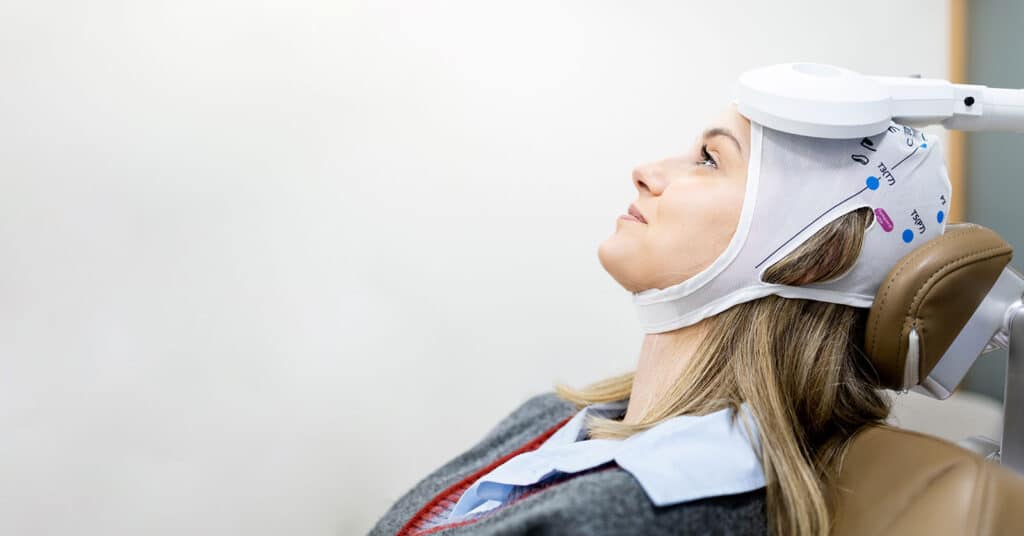
TMS, or transcranial magnetic stimulation, is a treatment option for those with severe depression. In some cases, it may also be used to treat obsessive-compulsive disorder (OCD) and bipolar disorder.
TMS works by using magnetic pulses to target your prefrontal cortex. The magnetic field induces a small electrical current in the neurons linked to mood regulation. This activates nerve cells and improves neural activity.
What’s great about TMS is that it’s a non-invasive treatment. You don’t need general anesthesia, and you can return to daily activities shortly after the TMS treatment.
What Is ECT?
ECT or electroconvulsive therapy is another treatment for major depressive disorder (MDD). It works by sending electric currents through specific areas of the brain. The electric currents trigger a controlled and brief seizure.
ECT improves brain activity, particularly in mood regulation. People with MDD, catatonia, and other mental health conditions may see improvements after a few sessions.
TMS and ECT Similarities
Although TMS and ECT work differently, they can both relieve people from serious mental health conditions. Both use brain stimulation to address treatment-resistant depression.
Doctors recommend TMS or ECT treatment when therapy or medication isn’t working. Both are FDA-cleared for depression and require close monitoring from psychiatry professionals.
When done correctly, TMS therapy and ECT sessions can improve your quality of life. However, it’s important to know their differences, as one may not be suitable for you.

TMS Vs. ECT – A Side-by-Side Comparison
TMS and ECT are effective treatment methods that address depressive symptoms. Still, your experience can vary depending on which one you choose.
Here’s a closer look at the differences between transcranial magnetic stimulation and electroconvulsive therapy.
1. Treatment Procedure
One of the biggest differences is how the procedures are performed.
TMS is a non-invasive treatment that targets specific brain regions. During TMS sessions, patients typically stay awake as the device delivers brain stimulation.
TMS is a painless treatment that doesn’t require general anesthesia.
ECT, on the other hand, is more intensive. During ECT, clinicians place electrodes on your scalp to trigger a mild seizure. This means you need general anesthesia and muscle relaxants. You’ll be asleep throughout the whole process.
2. Effectiveness
Studies show that TMS is effective for 50% to 60% of people, even when medication or therapy has failed. A third of patients experience full remission and symptom relief after TMS treatment.
You may feel the positive effects of TMS for many months after the treatment stops. Some patients may need to return for follow-up sessions.
ECT has similar effectiveness to TMS. Research shows that it improves symptoms in more than 50% of people with treatment-resistant depression. Results can fade without follow-up care, so most patients continue with maintenance ECT or medication after the first course.
3. Potential Side Effects
Side effects are one of the biggest concerns people have when deciding to undergo TMS or ECT. Although both treatments are generally safe, they do come with risks.
For some, TMS has fewer side effects due to its non-invasive nature. The common side effects of TMS are scalp discomfort, mild headaches, and lightheadedness. In rare but severe cases, TMS carries a risk of seizure.
In contrast, ECT side effects include short-term memory loss and muscle aches. Most symptoms should disappear after a few hours, although some patients experience longer memory gaps.
4. Recovery Time
Recovery time is crucial when you have to factor in work, school, and other responsibilities.
In terms of recovery time, TMS is faster as it has no downtime. You can resume normal activities right after the treatment sessions.
ECT, on the other hand, has a longer recovery time. Since you’ll be under general anesthesia, you must be observed before you can return to daily activities.
A few patients need additional rest, and driving isn’t recommended after ECT.
5. Treatment Duration
TMS and ECT have wildly different treatment durations.
For standard TMS, each session takes only 20 to 40 minutes, including preparation time. You need to attend these sessions at least 5 days a week for up to 6 weeks.
On the flip side, ECT requires less commitment. A full course includes around 10 sessions over 3 to 4 weeks.
ECT sessions are longer than TMS sessions, as you need time for general anesthesia and recovery.
6. Cost
The cost of TMS and ECT may vary based on your individual circumstances.
In general, a patient may spend $6,000 to $15,000 on TMS sessions out of pocket. The conventional rTMS is more affordable than the latest TMS treatments.
In comparison, ECT costs $300 to $1,000 per session. This means you may spend up to $10,000 on ECT per year if you don’t have insurance.
7. Safety
Both TMS and ECT are safe when conducted by well-trained clinicians.
Most people feel safer with TMS because it’s a non-invasive procedure. It also has minimal side effects, and you can do it in an outpatient setting.
For TMS, being honest with your medical history is a must to avoid the risk of seizure. You should tell your doctor whether you have a metal implant or if you have epilepsy.
Some patients may be uncomfortable with ECT because it requires general anesthesia. However, you’re safe as long as you receive close monitoring before, during, and after the treatment.

Newer Brain Stimulation Options Beyond Standard TMS and ECT
TMS has changed a lot since its first FDA clearance. Traditional repetitive TMS (rTMS) sessions run about 20 to 40 minutes. Intermittent theta-burst stimulation (iTBS) delivers pulses in rapid bursts, which shortens each session to about three minutes. A large 2018 trial of more than 400 patients found iTBS worked as well as standard rTMS for treatment-resistant depression.
Accelerated protocols go a step further by delivering several sessions per day. The SAINT protocol, cleared by the FDA in 2022, combines accelerated iTBS with fMRI-guided TMS. Clinicians use a brain scan and neuronavigation to locate each patient’s target area, creating a personalized brain map instead of relying on standard head measurements. Treatment is compressed into five days.
Other options exist for people who don’t respond to TMS or ECT. Vagus nerve stimulation (VNS) uses a surgically implanted device and is FDA-approved for long-term treatment-resistant depression. Transcutaneous auricular VNS (taVNS) stimulates the same nerve through the ear without surgery, but it’s still being studied. Deep brain stimulation (DBS) involves implanted electrodes and remains experimental for depression.
Can You Combine TMS or ECT With Other Treatments?
Yes! You can absolutely combine TMS or ECT with medication and therapy. TMS and ECT enhance the effects of other treatments, so you may encounter better relief.
With proper medical supervision and lifestyle changes, you can turn your life around with TMS or ECT.
Which One Should You Get?
Whether you should choose TMS or ECT depends on your medical history and personal preference.
You should pick TMS if:
- You’re concerned about general anesthesia, memory loss, and cognitive side effects.
- You want a non-invasive treatment.
- You need to continue work or school right after the session.
- You’re able to commit to the treatment time-wise.
You should pick ECT if:
- You need faster relief from your mental health symptoms.
- You don’t have time to visit the treatment center daily.
- Other treatment options, including TMS, have not worked.
- Your clinician believes that a more intensive approach is necessary.
To give you more perspective, one study shows that TMS scores better for patient preference. That said, TMS and ECT have their advantages and disadvantages.

TMS Treatment in South Florida – Welcome to ReCreate Life Counseling!
If you have questions about TMS or ECT, you can reach out to ReCreate Life Counseling.
ReCreate is a mental health and addiction treatment center located in South Florida. We cater to individuals looking for personalized treatment for depressive symptoms.
At ReCreate, we recognize that mental health isn’t uniform, and we offer solutions that work best for your circumstances.
Here are just a few services you may find at our facility.
1. Depression Treatment
ReCreate specializes in various mental health treatments.
We have programs tailored for those with anxiety, bipolar disorder, and depression. Furthermore, we can help patients work through OCD, PTSD, and schizophrenia.
2. Transcranial Magnetic Stimulation
TMS therapy can be a lifesaver when all other treatments fail.
ReCreate uses an AMPA machine with an accelerated iTBS protocol. The whole TMS lasts only three minutes, and you can be out of the clinic within 20 minutes.
Plus, we make sure each of our patients is comfortable and safe. Our well-trained technicians will support you through every step of the process.
3. Trauma Therapy
Traumatic experiences can increase your chances of becoming addicted to substances. Fortunately, trauma therapy can address mental health conditions like PTSD.
ReCreate helps you heal from trauma by strengthening your recovery. We target the root cause of the trauma for your well-being.
4. Dual Diagnosis
Sometimes depression and drug addiction go hand in hand. You need to treat both conditions simultaneously through dual diagnosis.
Dual diagnosis addresses substance abuse, depression, anxiety, and schizophrenia. We incorporate TMS as part of the treatment program for comprehensive healing.
5. Insurance Coverage
Cost shouldn’t keep you from getting help. TMS and ECT are often covered by insurance.
ReCreate works with most insurance providers to bring you affordable but high-quality treatment. You can reach out to us to see your financing options.

Conclusion
So, what’s the difference between TMS and ECT?
While both TMS and ECT address major depressive disorder, they have differences in terms of procedure, recovery time, cost, and treatment length.
TMS is less invasive than ECT, and it has a shorter recovery time. You can resume work right after a TMS session.
On the other hand, ECT requires less commitment. You can feel the results faster, and the process is more intensive.
Overall, both TMS and ECT are effective, and it’s up to you to decide which one you prefer. We recommend reaching out to a doctor to get expert advice as well.
Written by: The Recreate Life Counseling Editorial Team
Published on: May 29, 2026
Updated on: October 24, 2026