


For many, transcranial magnetic stimulation, or TMS, is something they only hear about after months of mental health challenges. Doctors may recommend it as a secondary treatment, so having questions about its safety is normal.
Although TMS sounds like a new procedure, it’s actually an FDA-approved treatment that has been around since the 80s.
Today, you’ll learn all about TMS therapy, including its benefits, side effects, and risks.
What Is TMS Therapy?
Transcranial magnetic stimulation (TMS) is a non-invasive treatment that uses magnetic pulses to stimulate the brain. It targets the part of the brain associated with mood regulation.
TMS may be used alongside talk therapy to improve symptoms of major depressive disorder. It’s usually done when the patient has treatment-resistant depression.
How Does TMS Work?
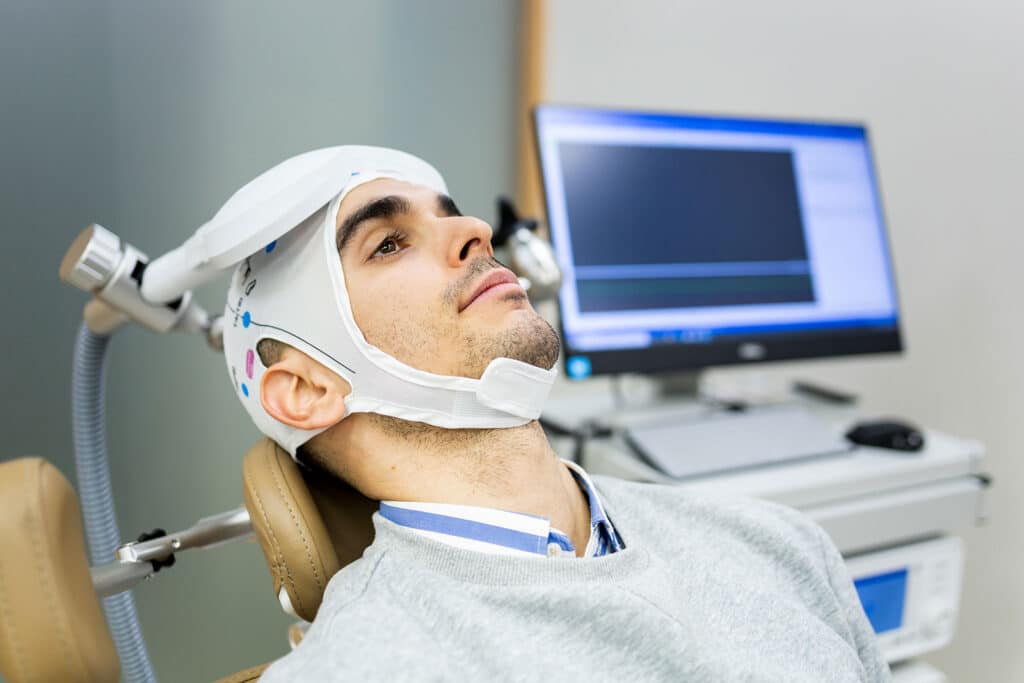
TMS is a treatment used in psychiatry to help improve depression symptoms. It works by using magnetic coils placed gently around the scalp.
The magnetic coils deliver an electric current through magnetic pulses. These pulses aren’t painful. Instead, they pass through the skull and reach specific areas of the brain.
TMS primarily targets the prefrontal cortex, a brain region linked to mood and motivation. It stimulates underactive neurons to encourage normal brain function.
Unlike other deep-brain stimulators, TMS doesn’t require surgery. However, TMS isn’t a one-time treatment. Some people attend TMS sessions several times a week for up to six weeks.
Who Should Get TMS?
TMS is mostly used for people experiencing treatment-resistant depression. This is a type of depression that doesn’t improve through talk therapy or medication.
That said, TMS isn’t limited to depression alone. It can also be used for other medical conditions and psychiatric disorders, like obsessive-compulsive disorder.
Aside from this, TMS may be used to treat bipolar disorder and anxiety disorders. Your doctor can tell you whether TMS is appropriate and safe for you.
Is TMS Dangerous?
TMS therapy is generally considered safe when a trained healthcare professional conducts it. It has been studied for decades and is now widely used in psychiatry.
For most people, TMS therapy is painless and doesn’t require sedation. You can return to normal activities right after a TMS session.
Still, TMS can have risks. Serious side effects are rare, but safety screening is necessary. Your doctor will ask about any medical conditions to determine whether you can get TMS.
Lastly, as TMS uses a magnetic field, it isn’t safe if you have metal implants in your head.

The Potential Side Effects of TMS
Like most medical procedures, TMS can have side effects. Here’s what you should look out for.
1. Most Common Side Effects
TMS side effects are usually short-term and mild.
Some people experience scalp discomfort at the stimulation site. You may feel your facial muscles twitching during the treatment. Plus, you may encounter headaches, nausea, and lightheadedness after the TMS session.
These side effects tend to lessen as you become used to TMS treatment.
2. Sensory Side Effects
TMS treatment sessions are usually loud. Because of this, the TMS technician should give you earplugs to protect your ears.
Without proper protection, patients may experience hearing loss after prolonged exposure. This is preventable as long as you wear the earplugs.
3. Rare but Serious Side Effects
The adverse effects of TMS are usually mild and manageable. Serious side effects are extremely rare, especially after proper health screening.
The most serious side effect of TMS therapy is seizures. Studies show that it can happen in 7 out of 100,000 sessions.
If you have epilepsy or have a history of seizures, please approach your doctor for additional evaluation.
The Benefits of TMS Treatment
For many, TMS is a life-changing treatment after months or years of struggling. It can provide relief for those with depression, OCD, or other mental health conditions.
Below are just some of the benefits of TMS.
- Non-Invasive: No surgery or anesthesia is involved in TMS. You can attend TMS sessions as an outpatient and resume daily activities right after.
- Fewer Side Effects: TMS doesn’t involve antidepressants, which can have long-term effects. You can avoid weight loss, fatigue, or other medication-related effects.
- Targets the Brain Directly: TMS uses brain stimulation to improve brain function. Over time, it can reactivate underactive pathways linked to depression.
- Can Be Combined With Therapy: TMS can be combined with therapy and counseling. You may take it as part of continuous treatment.
- Evidence-Based: TMS is backed by clinical research. The treatment plan is well-structured, and healthcare providers will supervise you.

What Happens During a TMS Session?
TMS is a simple and gentle treatment option. It may be scary at first, but once you try it, you’ll quickly find the process manageable.
Let’s walk through the typical TMS session.
1. Arrival
Once you arrive for your session, you will be brought into a treatment room with a comfortable chair. The TMS technician may ask you to remove magnetic-sensitive items, such as jewelry, hearing aids, and even credit cards.
2. Setup
Next, you will be given earplugs to protect your ears. Following this, a special magnetic coil will be placed against your scalp.
The placement usually depends on your treatment plan. Moreover, the technician will determine the precise amount of magnetic energy you need.
3. During the Session
You can now sit back and relax. The treatment can last anywhere from 20 to 40 minutes. During this time, you may feel slight taps or tingling sensations on your head.
4. After the Session
After the session, the technician removes the coil from your head, and you’re free to go. There’s no recovery time, and most people can resume their daily activities.
Should You Get TMS?
TMS is a suitable alternative for those with treatment-resistant conditions. It may be effective even if medications and talk therapy haven’t worked for you.
Additionally, TMS is great if you suffer from severe side effects from antidepressants. Up to 60% of TMS treatments are successful.
TMS may not be a viable option for medical devices in the head due to the magnetic field. If you have an aneurysm clip or cochlear implant, TMS isn’t for you.
Will the Effects of TMS Last?
The full TMS treatment takes up to six weeks of daily sessions. Afterward, patients have at least six months of relief.
The effects of TMS may wane after this, and patients will require follow-up sessions. Still, many people experience long-term relief after TMS therapy.

TMS Therapy in South Florida
ReCreate Life Counseling is a premier mental health and addiction treatment center servicing South Florida. We offer various inpatient and outpatient services, including transcranial magnetic stimulation.
Here’s what you can expect from us.
1. Expert and Compassionate Care
Our team is well-trained in medical and clinical methodologies. Each of our staff members has experience in addiction and mental health treatment.
We understand what it’s like to struggle with addiction and mental health conditions, and we genuinely care for your well-being.
2. Flexible Options
There’s no doubt that TMS therapy requires commitment. You have to go to the treatment center for five days a week for several weeks.
ReCreate makes booking appointments easy and flexible. We accommodate you in your free time, and sessions only last a few minutes.
3. Affordable Treatment
ReCreate works with most insurance providers, so you can receive affordable treatment. You can give us a call to check your financial options.
Don’t worry. Many insurance providers now accept TMS as a treatment for major depressive disorder.
4. Continuous Support
TMS works best when you combine it with talk therapy. ReCreate provides you with the additional support you need.
We offer continuous behavioral therapy and strong support networks. Moreover, we constantly check in to ensure your lifestyle changes support your brain health.
In case you feel any symptoms coming back, we may also provide maintenance TMS sessions.
Still Have Questions?
If you still have questions about TMS treatment, you can schedule a consultation with ReCreate. Here, we’ll clear all your concerns and walk you through what to expect.
Our team will assess whether TMS is right for you, and we’ll create a personalized plan based on your needs.
Let us help you take the first step towards a better life.

Conclusion – Is TMS Dangerous?
TMS is a safe and gentle medical treatment when done under the supervision of a trained medical professional. Although it comes with a low risk of seizure, you should be safe if you undergo the proper screening.
TMS is generally tolerable for most people. It’s non-invasive and you don’t need anesthesia to undergo TMS. Additionally, there’s no recovery time and you can continue daily activities after each session.
That said, TMS may not be suitable for some. If you have epilepsy or are prone to seizures, you should consult with your doctor.
Finally, those with metal implants in their head may not be able to undergo TMS.
If you want to know whether TMS is the right treatment for you, you can reach out to ReCreate. We’re happy to answer any questions you may have!
Written by: The Recreate Life Counseling Editorial Team
Published on: May 29, 2026
Updated on: May 29, 2026