


If you are facing detox from codeine or tramadol, it is reasonable to want to know which one is harder to get through. Because both are opioids, it is easy to assume the experience is the same. It is not. The two drugs work differently in the body, and those differences shape how withdrawal feels, how long it lasts, and how risky it is to stop. This article breaks down where the two overlap, where they diverge, and what actually determines which detox is more painful.
What Are Codeine and Tramadol?
Codeine is a natural opioid analgesic prescribed for mild to moderate pain and commonly used as a cough suppressant. It occurs naturally in the opium poppy, the same plant that produces opium and morphine. Codeine is also a prodrug, which means it has little effect on its own. The liver enzyme CYP2D6 converts it into morphine, and that morphine binds to the opioid receptors in the brain and spinal cord that control how the body transmits and perceives pain.
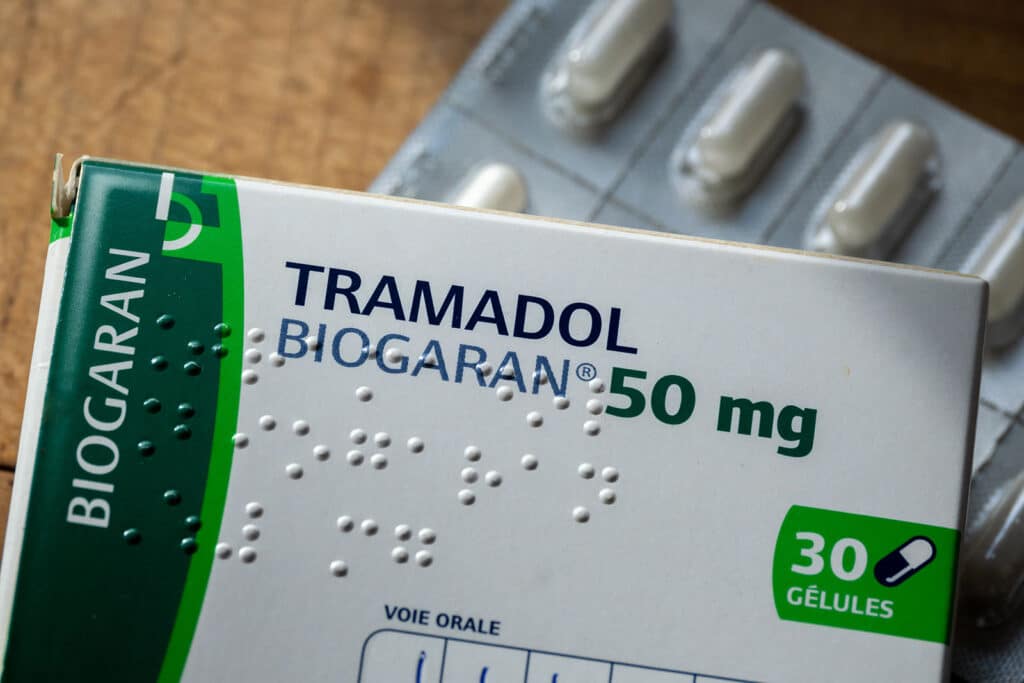
Tramadol is also prescribed for moderate to severe pain, but it is a fully synthetic opioid, not derived from the poppy plant. It comes as an immediate-release tablet and as an extended-release capsule or tablet. Like codeine, it acts on the brain’s opioid receptors, but that is only half of how it works.
How Codeine and Tramadol Differ
This is the part that gets overlooked, and it is the single most important difference between the two.
Codeine is a conventional opioid. It works by becoming morphine and acting on opioid receptors. That is essentially all it does.
Tramadol works through two separate mechanisms at once. It is a weak opioid agonist, and it is also a serotonin-norepinephrine reuptake inhibitor, which is the same class of action as many antidepressants. In practice tramadol is part painkiller and part SNRI. That dual action is the reason tramadol withdrawal can be more complicated and more unpredictable than withdrawal from a standard opioid like codeine. You are not just coming off an opioid. You are also coming off something that behaves like an antidepressant.
Codeine vs Tramadol: Side-by-Side Comparison
| Characteristic | Codeine | Tramadol |
|---|---|---|
| Drug type | Natural opioid (opiate) | Synthetic, atypical opioid |
| Source | Occurs naturally in the opium poppy | Fully synthetic, made in a lab |
| How it works | Prodrug converted by CYP2D6 into morphine, which acts on opioid receptors | Weak opioid agonist plus serotonin-norepinephrine reuptake inhibitor (dual mechanism) |
| Commonly prescribed for | Mild to moderate pain, cough suppression | Moderate to severe pain |
| Controlled status (US) | Controlled; schedule varies by formulation (Schedule II as a single agent through Schedule V in low-dose cough preparations) | Schedule IV |
| Approximate half-life | Around 3 hours | Around 5 to 6 hours immediate-release, longer for extended-release and active metabolite |
| Withdrawal onset | Roughly 8 to 12 hours after the last dose | Roughly 12 to 20 hours after the last dose |
| Acute withdrawal duration | About 5 to 10 days | About 5 to 10 days, often more drawn out and variable |
| Withdrawal character | Classic opioid withdrawal | Classic opioid withdrawal plus possible atypical symptoms (anxiety, panic, confusion, paresthesia, hallucinations) |
| Notable added risks | Highly variable response between individuals due to CYP2D6 metabolism | Lowers the seizure threshold; risk of serotonin syndrome, especially when combined with other serotonergic drugs |
Why These Drugs Are So Addictive
Opioids block pain by acting on the central nervous system, but the same opioid system also governs the brain’s reward pathways. When codeine or tramadol triggers a release of endorphins, the brain registers it as a reward and wants to repeat it. That is what produces the euphoria, calm, and sense of well-being that drive repeated use. Over time the body adapts and becomes physically dependent, while the mind develops cravings, so dependence forms on both a physical and a psychological level. Taking the two together to intensify that effect is especially dangerous, since it stacks the risks of both drugs, and it is one of the patterns that leads people into dependence in the first place.

Opioid Withdrawal Symptoms
Withdrawal from either drug shares the core symptoms of opioid withdrawal. They often feel like a severe case of the flu and can include:
- Sweating
- Muscle and body aches
- Insomnia
- Anxiety and restlessness
- Mood swings and irritability
- Stomach pain and cramps
- Diarrhea, nausea, and vomiting
- Fever and chills
- Mental fog or trouble concentrating
- Low mood or depression
- Strong drug cravings
These symptoms tend to follow a timeline. The first symptoms usually begin within hours of the last dose or after a dose is reduced. They build, peak over the first few days, and then ease over roughly a week for the acute phase. Some people then experience post-acute withdrawal syndrome (PAWS), where milder symptoms such as low mood, poor sleep, and cravings linger for weeks or longer.
What Makes Tramadol Withdrawal Different
Because tramadol acts on serotonin and norepinephrine in addition to opioid receptors, a portion of people who stop it experience what clinicians call atypical withdrawal. On top of the standard opioid symptoms above, this can include:
- Severe anxiety and panic attacks
- Confusion or disorientation
- Paranoia
- Hallucinations
- Numbness, tingling, or electric-shock sensations (paresthesia)
Tramadol also lowers the seizure threshold, so seizures are a recognized risk during withdrawal, particularly at higher doses or when stopping abruptly. And because tramadol is serotonergic, combining it with other serotonin-acting medications raises the risk of serotonin syndrome. None of these added risks apply to codeine, which is one of the main reasons tramadol withdrawal should not be treated as a routine opioid detox.
Factors That Affect How Painful Detox Is
The experience varies a great deal from person to person. Several factors influence how intense and how long withdrawal lasts:
- How long you have been using the drug
- How often you use it and how much you take at a time
- Whether you mix it with other drugs or alcohol
- Any underlying mental health conditions
- Your personal and medical history
- Your age
- Whether you have chronic pain that the opioid was masking, which can rebound during withdrawal
So Which Detox Is More Painful?
The honest answer is that it depends on the person and the pattern of use, but the difference is not that tramadol is a “stronger” opioid. As a pure painkiller it is actually weaker than codeine. What tends to make tramadol withdrawal harder is its dual mechanism. Many people find the atypical symptoms, especially the severe anxiety, panic, and disorientation, more distressing than the physical flu-like symptoms of a standard opioid withdrawal, and the added seizure risk makes it less predictable. For that reason tramadol withdrawal often warrants closer medical supervision, even at doses that might seem modest.
Tapering and Medically Supervised Detox
For both drugs, stopping gradually is safer and more comfortable than stopping all at once. In a medically supervised detox, a physician designs a tapering plan that lowers the dose in steps over time, or in some cases switches you to a longer-acting medication that is easier to taper. A common tapering approach reduces the dose first, then lengthens the interval between doses.
Medications are often used to ease symptoms during this process. Clonidine and lofexidine help with the autonomic symptoms such as sweating, agitation, and elevated heart rate. For opioid use disorder, longer-acting medications like buprenorphine or methadone may be used to stabilize and then taper. With tramadol, the serotonergic side of withdrawal sometimes needs to be managed separately from the opioid side, which is another reason a supervised setting matters.

Why You Should Not Detox at Home
Detoxing alone is risky with any opioid. With tramadol it is riskier still, because of the seizure risk and the atypical psychiatric symptoms that can appear without warning. Medically assisted detox exists for exactly this reason. In a supervised program, medical professionals build a detox plan around your specific situation, monitor you around the clock, and intervene to keep symptoms manageable and safe while the drug leaves your system.
Treatment and Aftercare at Recreate Life Counseling
Detox is the first step, not the finish line. It clears the drug from your body, but it does not address the reasons use began or the triggers that lead to relapse. Lasting recovery comes from what follows detox.
At Recreate Life Counseling we treat addiction with a multi-layered approach because that is what gives recovery the best chance to hold. After detox, treatment continues through inpatient and outpatient programs, individual and group therapy, and a structured aftercare plan that includes relapse prevention strategies, ongoing check-ins, and family and peer support. The goal is to send you back into everyday life with real tools rather than just a clean detox. If you are ready for help, we are here to support you through every stage of it.
This article is for informational purposes and is not a substitute for medical advice. If you are dependent on codeine or tramadol, talk to a medical professional before stopping or changing your dose.
Written by: The Recreate Life Counseling Editorial Team
Published on: November 4, 2020
Updated on: June 9, 2026